Closet Organization
The STAC'D Method: How to Prepare Your Closet for Fall
The five-step closet cleanout I have used with hundreds of clients — timed to the season change, finished in small blocks of time.
By Wendy Pilch — September 21, 2026 — 7 min read

STAC'D is a five-step seasonal closet cleanout — Store, Toss, Alter, Consign, Donate. Work in small blocks of time, address one season at a time, and focus only on what can be worn right now. Then organize what stays by category, casual to dressy, grouped by color.
Every September I get the same phone call. Summer clothes are still on every hanger, fall pieces are arriving, and the closet has quietly become two wardrobes fighting for the same rail. The change of season is the single best moment to clean out a closet — and after more than twenty years inside women's closets, I have a method that makes it as painless as possible.
I first shared this method publicly in a HollywoodLife feature back in 2020, and I have used it with hundreds of clients since. It is called STAC'D, and it works because it breaks an overwhelming job into five small decisions.
Work in Small Blocks of Time
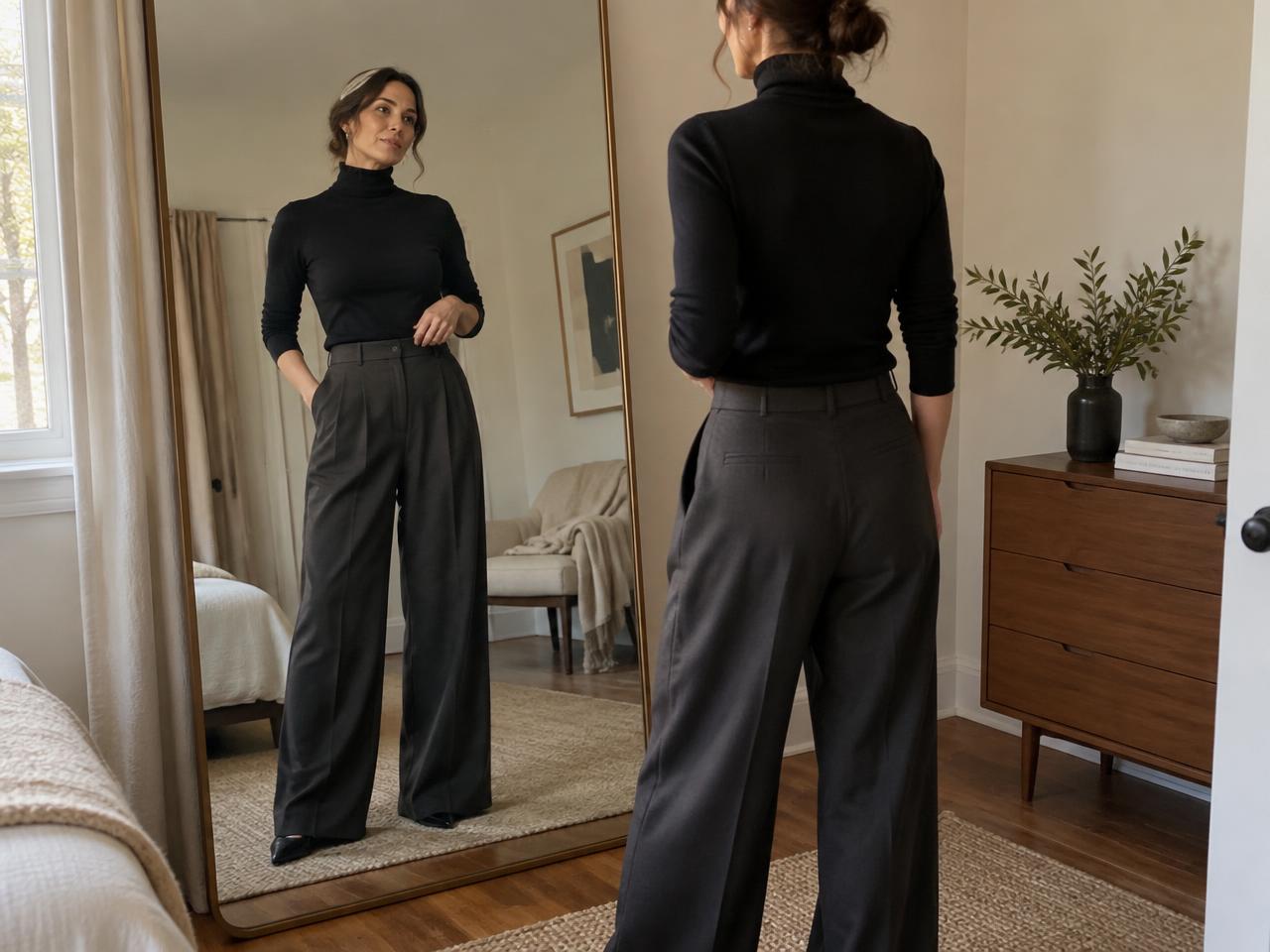
The best way to attack a closet cleanout is by working in small blocks of time — or by addressing one season at a time. Do not empty the entire closet onto the bed on a Saturday afternoon; that is how cleanouts stall. Focus only on items that can be worn in the current season. Everything else is a distraction.
A tip I give every client: look closely at the items in the far end of your closet. Those are typically the pieces that haven't been worn in a while — and they are where your cleanout should begin.
The Five Questions to Ask Every Piece

Before anything leaves a hanger, hold it up and answer these five questions honestly:
Does this make me feel good when I wear it? Does this fit me — and if it were hemmed or taken in, could it fit me? Is this out of style, and have I worn it in the past year? Is this stained or too faded to continue wearing? Is this an item I could wear in another season, but not now?
“Focus only on items that can be worn in the current season. Everything else is a distraction.”
Those five answers tell you exactly which pile each piece belongs in. Which brings us to the method itself.
STAC'D: The Five Steps

STAC'D is an easy way to remember the steps to work through in your closet. Every piece you touch lands in one of five places:
STORE — all off-season pieces that cannot be used this season. Summer linen and sandals leave the prime real estate now. TOSS — pieces that are worn out, pilled or have holes. ALTER — anything worth hemming, tucking or modifying; price the cost of the work before you commit. CONSIGN — quality pieces in good condition that no longer serve you. DONATE — anything that doesn't fit or feels outdated and can't be consigned.
If you struggle with the consign-or-donate decision, I walk through exactly how a stylist evaluates consignment pieces — and if your real problem is a full closet with nothing to wear, start with why that happens first.
Then Organize What You Keep
Once you have decided what stays, the second half of the job is putting it back so that getting dressed is faster and easier. I use what I call the 1-8 System — eight categories, each organized the same way: casual to dressy, then grouped by color.
Tops go casual to dressy, then by color. Bottoms are grouped by pants and skirts, then casual to dressy — and hang your dressiest jeans. Dresses run casual to dressy, then color. Overlayers — cardigans, blazers and light jackets — get the same treatment. Shoes live on door racks or in clear boxes. Jewelry goes by type into a hanging organizer with clear pockets. Coats move to another closet if you have one, sorted by weight, then color. Handbags line up by type — shoulder bags, crossbody, clutches — then by color.
A system like this only holds if the storage works. Below are the essentials I recommend for the fall transition — the pieces that keep a clean closet clean. And if you want a lighter weekly habit to maintain it between seasons, my Sunday closet habit takes fifteen minutes.
Some of the links below are affiliate links. If you buy something through them I may earn a small commission, at no additional cost to you. I only include the storage and organizing essentials I recommend to clients.
The Fall Closet Essentials
- Amazon Basics Slim Velvet Non-Slip Hangers (50-Pack)
The fastest way to double a rail. One uniform hanger, slim enough to fit a season on, with a velvet surface that keeps silk and knitwear from sliding.
- EACOPOL Vacuum Storage Bags with Cordless Pump (16-Pack)
The STORE step needs somewhere to go. Compress bulky summer pieces into a fraction of the space until spring — label each bag by category.
- SPACEKEEPER Adjustable Acrylic Shelf Dividers
Clear dividers keep folded cashmere from toppling and handbags upright — invisible organization for open shelving.
- HBlife Clear Acrylic Shelf & Purse Dividers (6-Pack)
Handbags lined up by type — shoulder, crossbody, clutch — stay standing and visible, so you actually carry what you own.
- Space-Saving Velvet Pants Hangers (3-Pack)
Hang your dressiest jeans — the 1-8 System rule — on multi-tier hangers that hold several pairs in the space of one.
- UVIAHOMI Over-the-Door Shoe Organizer (20–30 Pairs)
The 1-8 System calls for shoes you can see. Clear pockets keep them off the floor, in rotation, and visible at a glance.
- Rusnugic Stackable Belt Organizer (2-Pack)
Belts, ties and scarves sorted into clear compartments with removable dividers — small accessories stop disappearing into drawers.
The Method
Five decisions, in order. Every piece you touch lands in one of them.
01
Off-season pieces that cannot be worn now. Bin them, label them, free the rail.
02
Worn out, pilled, holed or too faded to wear. These leave first.
03
Worth hemming or taking in? Price the work before you commit the hanger space.
04
Quality pieces in good condition that no longer serve you.
05
Doesn't fit or feels outdated and can't be consigned — let it serve someone else.
Work one season at a time, in small blocks of time.
Questions I Get Asked
- Done in small blocks, most closets take two to three sessions of about an hour. The mistake is trying to do the whole closet in one afternoon — work one season and one category at a time instead.
- Only if you have the space. Off-season pieces should leave the prime hanging rail — lidded bins on a high shelf or under a bed keep them clean and out of the decision-making.
- Consign quality pieces in genuinely good condition — current styles, recognized labels, no visible wear. Everything else that is clean and wearable goes to donation. My guide to shopping consignment shows the standard buyers apply.
More From Me
Sources & Further Reading
- The original STAC'D interview (HollywoodLife, January 2020)HollywoodLife
- Where to donate clothing responsiblyGoodwill
- How consignment resale worksThe RealReal
About Wendy
Wendy Pilch is an award-winning wardrobe stylist, entrepreneur and Founder & CEO of Style To Cart. After more than 20 years of helping women build wardrobes and define their personal style, Wendy is bringing that experience to fashion technology.
Continue Reading
Closet Organization
The Sunday Closet Habit: Twenty Minutes That Fixes Your Week
September 20, 2026
Closet Organization
Why Your Closet Feels Full — But You Still Have Nothing to Wear
March 12, 2026
Seasonal Style
The Best Jeans Styles for Fall: 10 Pairs Worth Knowing
September 28, 2026