Style Tips
How to Shop Consignment Like a Stylist
The best-quality clothing I buy for clients is rarely new.
By Wendy Pilch — September 22, 2026 — 5 min read
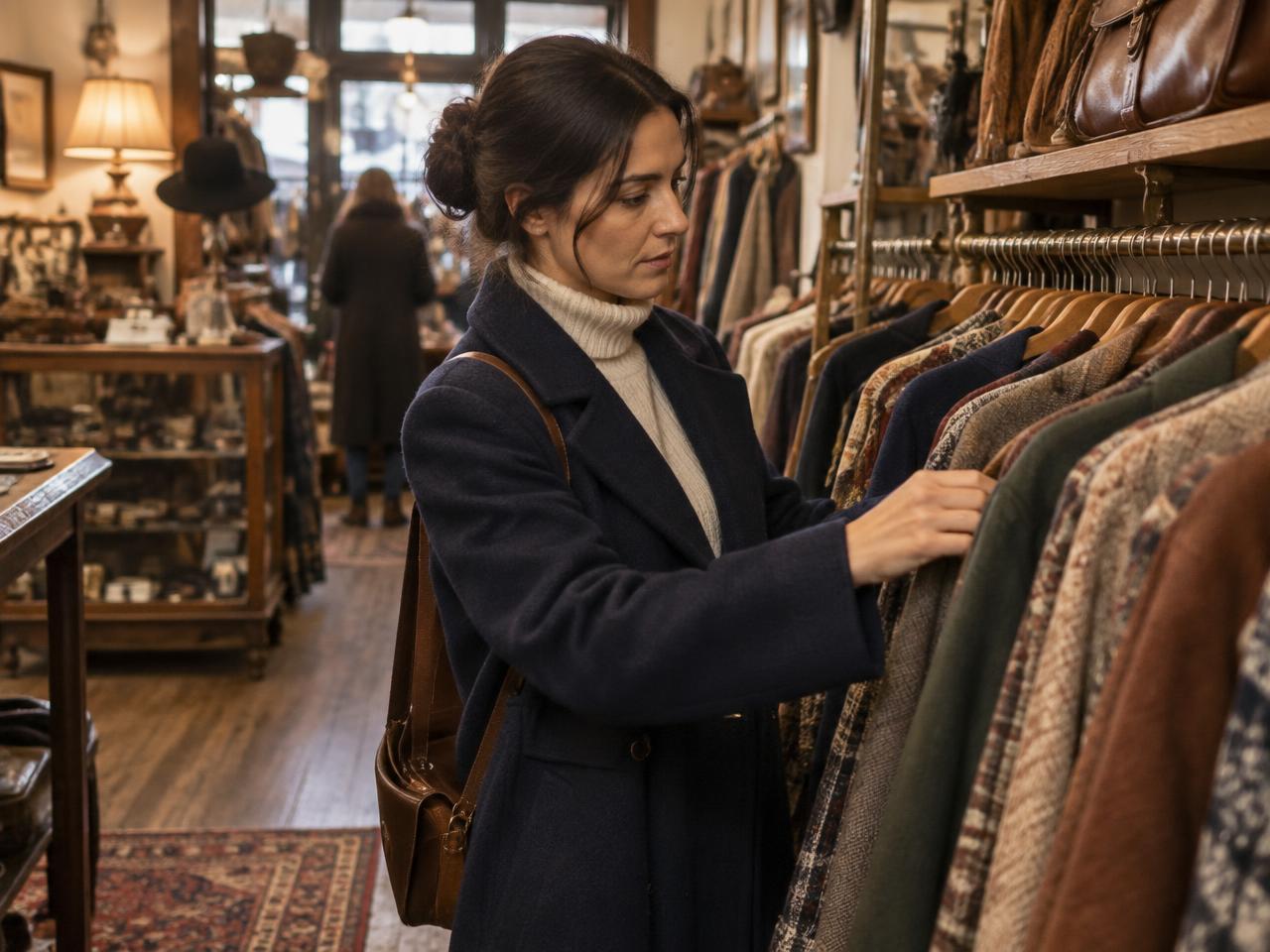
Shop consignment by category, not by browsing. Structured pieces — coats, blazers, denim, leather goods and cashmere — hold their quality and are where secondhand prices beat new. Check seams, lining, hardware and underarms before anything else.
A good wardrobe is not a budget question. Some of the best pieces I have ever put on a client came off a consignment rail for a fraction of retail — because quality construction outlives its first owner, and because most of what ends up on those rails was barely worn.
Go In With a List

Consignment punishes browsing. Arrive with the gap list from your closet edit — a camel coat, a black blazer, dark denim in a 29 — and ignore everything else. Without a list, you will buy the interesting thing rather than the useful one. The list comes from the same process as the closet edit.
The Categories Worth Buying Secondhand
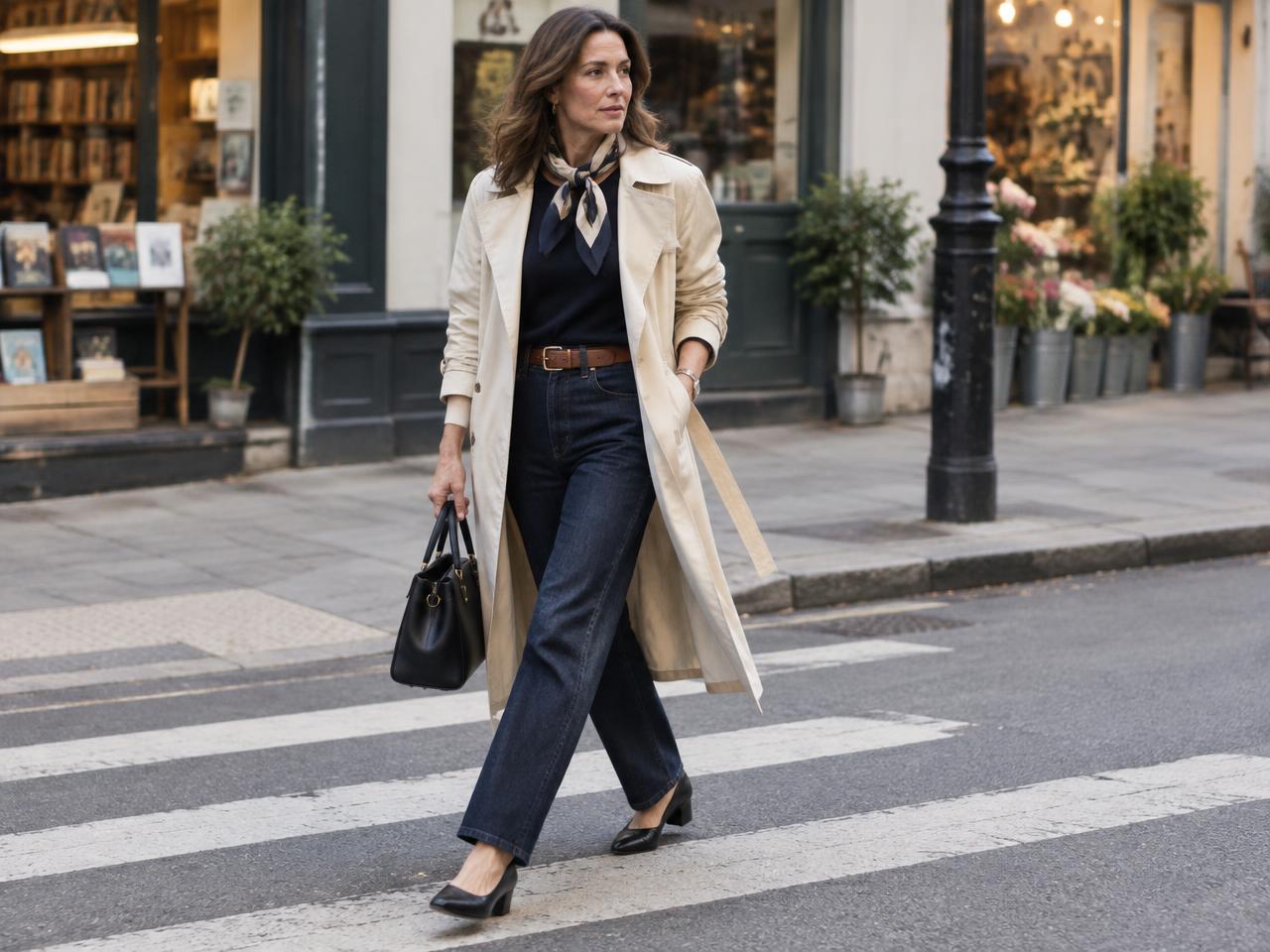
Structure survives. Wool coats, tailored blazers, leather bags and belts, denim and cashmere all age well and are expensive new. Skip anything that relies on elastic, anything sheer, and shoes that have already taken the shape of another foot.
“Buy the construction. You can always replace the buttons.”
The Four-Point Inspection
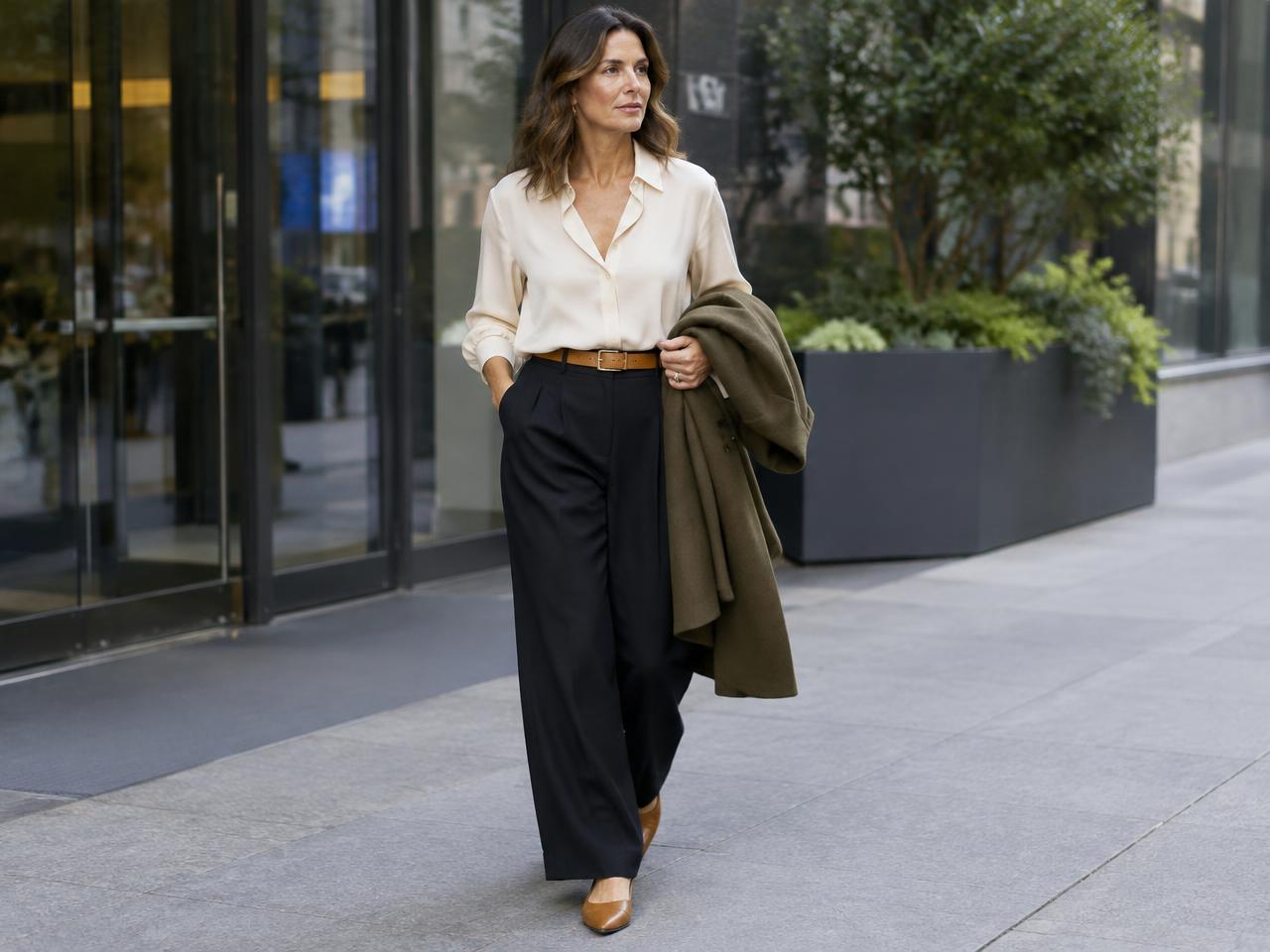
Check the underarms and collar for wear, the lining for tears, the seams for pulls, and the hardware for tarnish or stiffness. A missing button is nothing; a stretched lining and a shiny seat are permanent.
Budget for the Tailor

Assume every secondhand purchase needs forty dollars of alterations and it will still cost less than new. A tailored consignment blazer looks better than an untailored new one every time — the point I make in five questions before you buy.
Sell What You Edited Out

The other half of resale is supply. Consign the recognizable labels, donate the rest, and put the credit toward the gaps on your list. Resale keeps clothing in use, which matters both financially and environmentally.
Infographic
01
Wear here is permanent. Put it back.
02
Tears and stretch mean the piece has lost its shape.
03
Pulls and puckering signal hard wear or poor construction.
04
Zips should run; buckles should not be tarnished through.
Pass on all four and it is worth trying on. Fail two and it is not worth the money.
Questions I Get Asked
- Per wear, yes — often dramatically. A well-made secondhand coat outlasts several inexpensive new ones.
- Buy from established consignment shops and platforms that authenticate, and inspect stitching, labels and hardware yourself.
- Shoes that have moulded to another foot, anything sheer, and pieces whose fit depends on elastic that has already relaxed.
Sources & Further Reading
- Annual Resale ReportThredUp
- Textiles: material-specific dataU.S. EPA
- The State of Fashion reportMcKinsey & Company
About Wendy
Wendy Pilch is an award-winning wardrobe stylist, entrepreneur and Founder & CEO of Style To Cart. After more than 20 years of helping women build wardrobes and define their personal style, Wendy is bringing that experience to fashion technology.