Closet Organization
Why Your Closet Feels Full — But You Still Have Nothing to Wear
A full closet and an empty outfit rotation almost always come from the same place.
By Wendy Pilch — March 12, 2026 — 6 min

A full closet with no outfits is almost always a collection of individual purchases rather than a wardrobe. The fix is not more clothes — it is editing to the pieces that combine, then filling the specific gaps that keep outfits from finishing.
I have stood in hundreds of closets, and the sentence I hear most often is almost always said the same way — half apology, half frustration. "I have so many clothes and nothing to wear."
It is not a contradiction. It's the predictable result of how most wardrobes get built.
“Most closets aren't short on clothes. They're short on combinations.”
A closet built one purchase at a time

Nearly every full-but-unwearable closet was assembled the same way: one good piece at a time, bought on a good day, in a good store, with no reference to anything already hanging at home.
Each item was a reasonable decision on its own. Together they never became a wardrobe.
The three groups in every closet
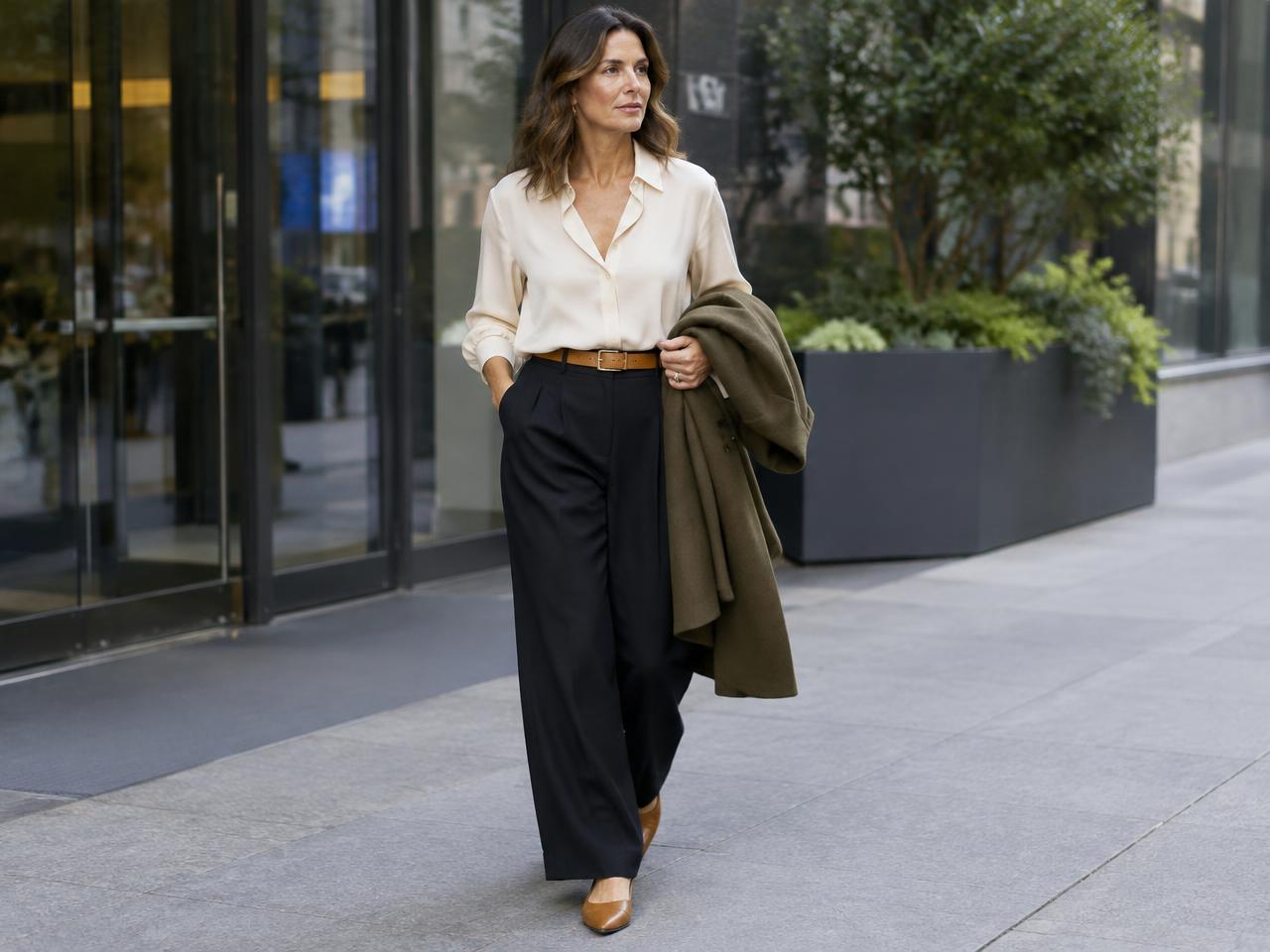
When I take everything out, it sorts itself into three piles almost immediately. The pieces you wear constantly. The pieces you love but can't wear because nothing goes with them. And the pieces you keep because they were expensive, or because they fit a version of your life that isn't your life anymore.
The first group is usually small — a dozen items doing nearly all the work. The other two are where all the space and all the guilt live.
The missing pieces are usually boring
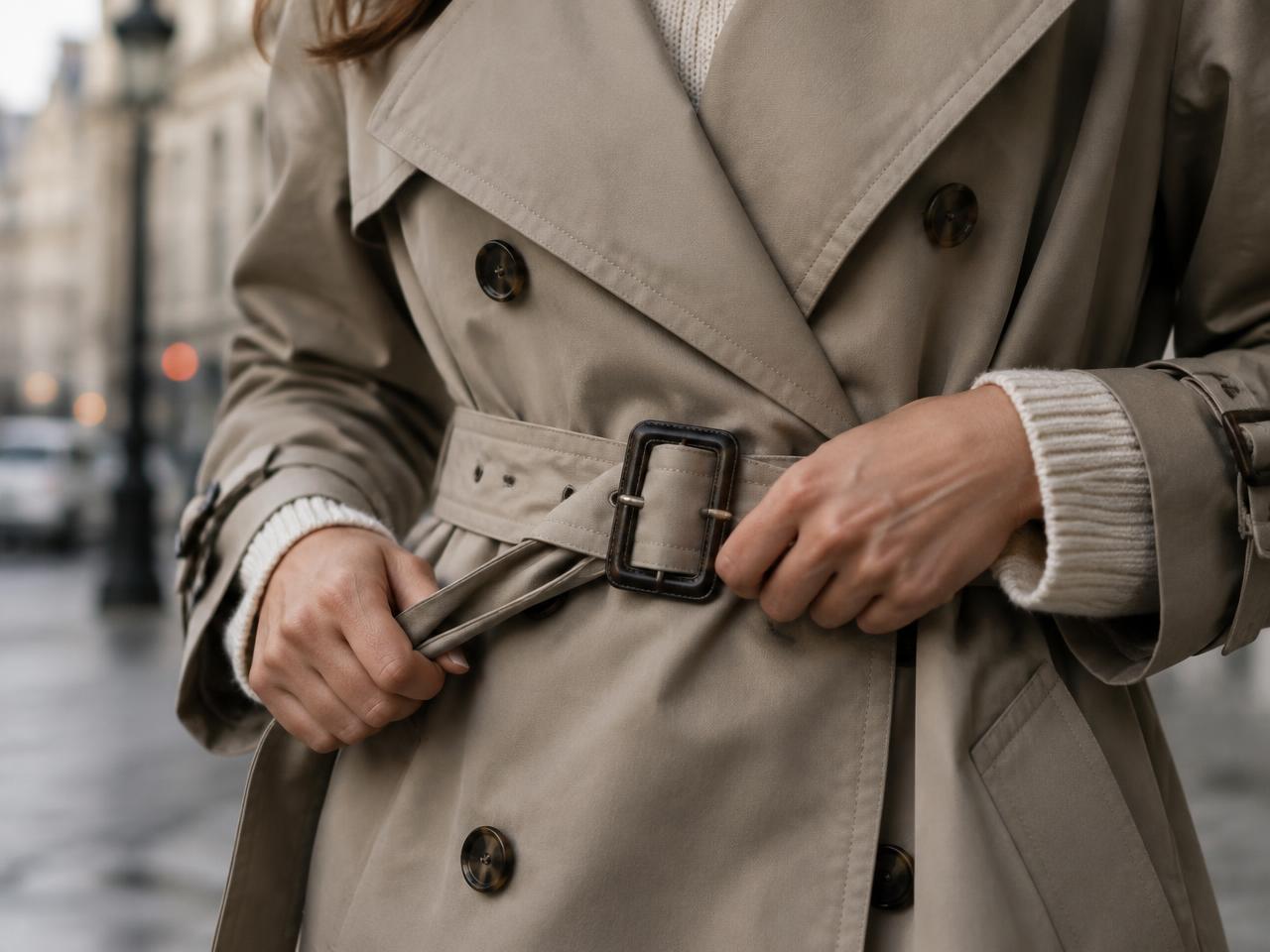
Here's what surprises women most: the fix is rarely another statement piece. It's the connector — the right trouser, the plain knit in the right color, the jacket that finally makes four other things wearable.
Connectors are unglamorous to shop for, which is exactly why they're the things missing from a full closet.
What to do this weekend
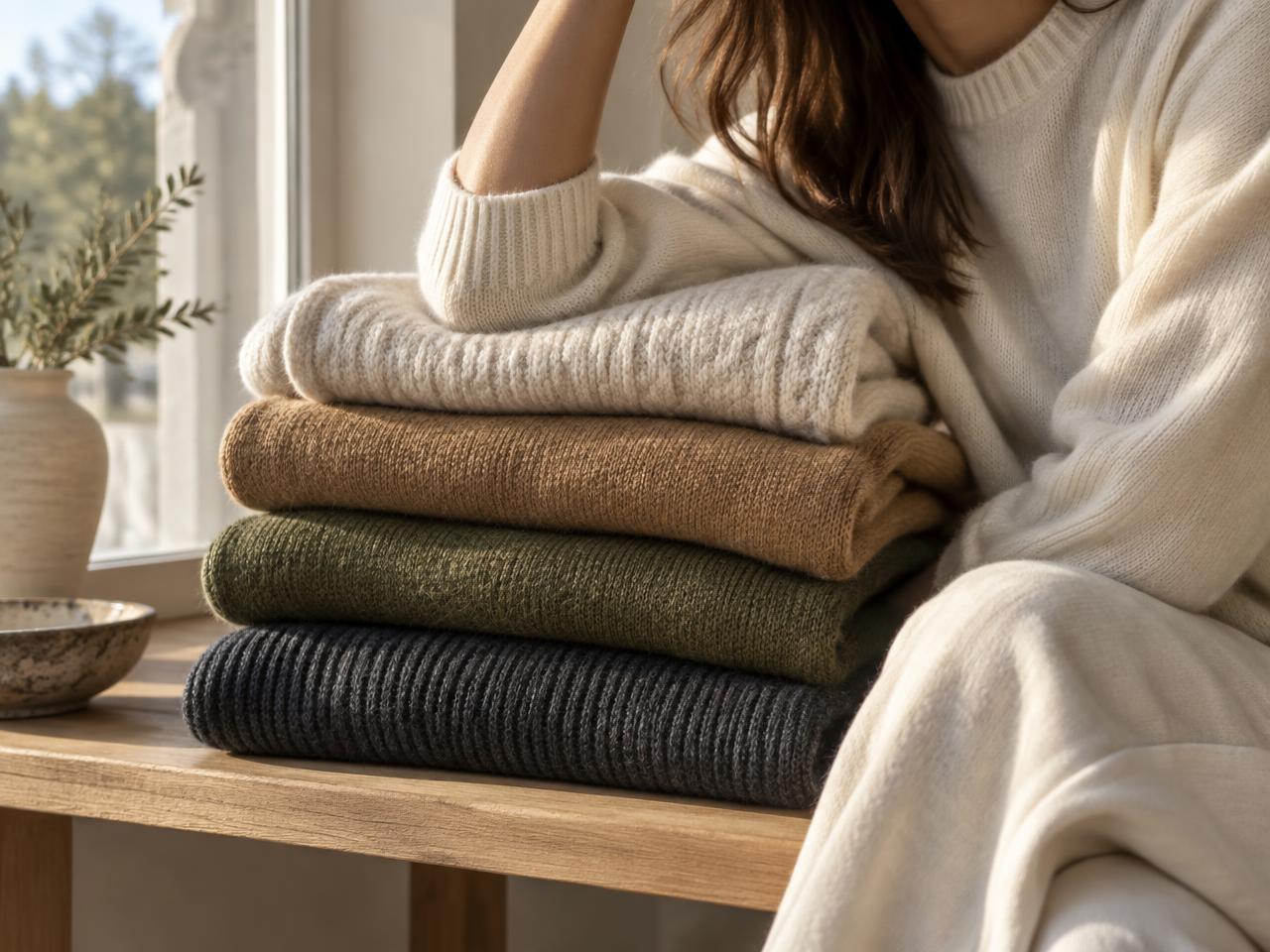
Pull out the ten things you actually wear. Look at what they have in common — the colors, the shapes, the fabrics. That's your real style, whatever you think it is.
Then look at the pieces you love but never wear, and ask one question about each: what single item would make this wearable? Write those down. That short list is your shopping list, and it is almost always shorter and cheaper than you expect.
A closet that feels full and useless doesn't need to be emptied. It needs to be connected.
Infographic
Two hours, four piles, and a closet that finally produces outfits.
01
Pieces worn in the last six months that still fit and still feel like you.
02
Hems, buttons, tailoring — small work that returns pieces to rotation.
03
Consign, donate or recycle. Nothing improves by waiting another season.
04
Write down the outfits that stop one piece short. That list is your shopping list.
Textile waste is a real cost of overbuying — resale and recycling keep pieces in use longer.
Questions I Get Asked
- Twice a year, at the season change, with a short 20-minute pass each month for what came back from the cleaner.
- Consign the recognizable labels, donate the rest, and recycle textiles that are past wearing. More on shopping resale in better ways to shop.
- By category, then by color. You cannot build outfits from pieces you cannot see.
More From Me
- Five questions to ask before you buy
- What 20+ years inside women's closets taught me
- About Wendy PilchTwenty-plus years of wardrobe styling, and the path into technology.
Sources & Further Reading
- Textiles: material-specific dataU.S. EPA
- Annual Resale ReportThredUp
- Garment care and fabric guidanceDrycleaning & Laundry Institute

About Wendy
Wendy Pilch is an award-winning wardrobe stylist, entrepreneur and Founder & CEO of Style To Cart. After more than 20 years of helping women build wardrobes and define their personal style, Wendy is bringing that experience to fashion technology.
Continue Reading
Closet Organization
The STAC'D Method: How to Prepare Your Closet for Fall
September 21, 2026
Closet Organization
The Sunday Closet Habit: Twenty Minutes That Fixes Your Week
September 20, 2026
Seasonal Style
The Best Jeans Styles for Fall: 10 Pairs Worth Knowing
September 28, 2026