Style Tips
What 20+ Years Inside Women's Closets Taught Me About Personal Style
After more than two decades of helping women decide what to keep, what to buy and how to put it all together, I've learned that great personal style has surprisingly little to do with having more clothes.
By Wendy Pilch — September 2, 2026 — 9 min
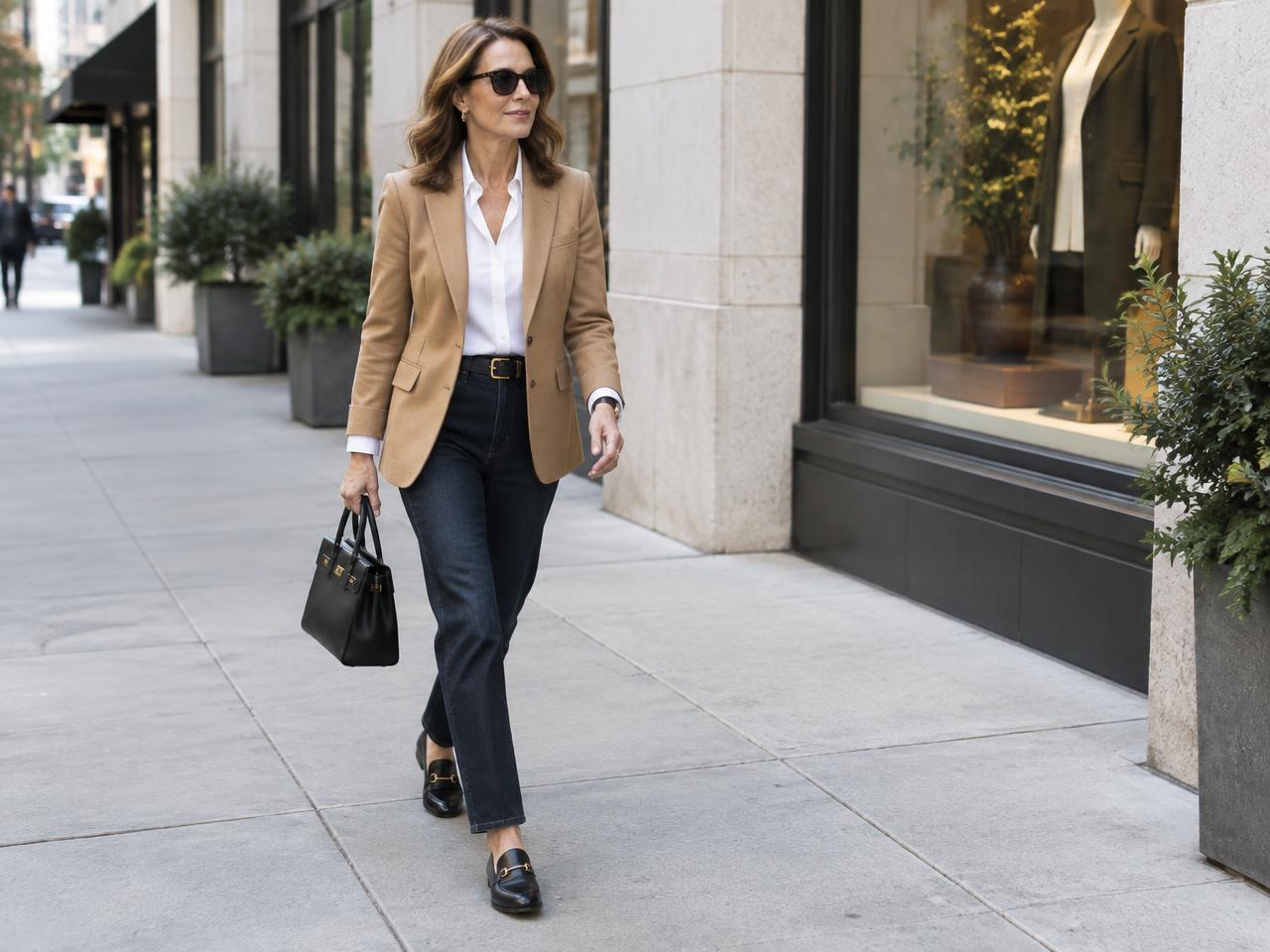
Personal style is not a look you find — it is a set of decisions you make consistently. After more than 20 years inside women's closets, the women who dress well are not the women with the most clothes. They are the women whose clothes agree with each other, fit their real week and can be recombined without thinking.
After more than two decades of helping women decide what to keep, what to buy and how to put it all together, I've learned that great personal style has surprisingly little to do with having more clothes.
For more than 20 years, I've had an unusual view into women's lives.
I've stood inside their closets.
I've seen the dress bought for an event that was never worn again. The jeans someone keeps hoping will work. The jacket she loves but doesn't know how to style. The pieces with tags still attached. And the handful of things she reaches for over and over because she always feels good in them.
I've shopped alongside women who were certain they needed more clothes, only to discover that what they really needed were a few strategic pieces that made the clothes they already owned work better.
And I've watched a woman look at a closet filled with clothing and say the sentence almost every stylist has heard:
“I have nothing to wear.”
After more than two decades as a wardrobe stylist, I've learned that this usually isn't a clothing problem. It's a clarity problem.
More clothes don't necessarily create more style
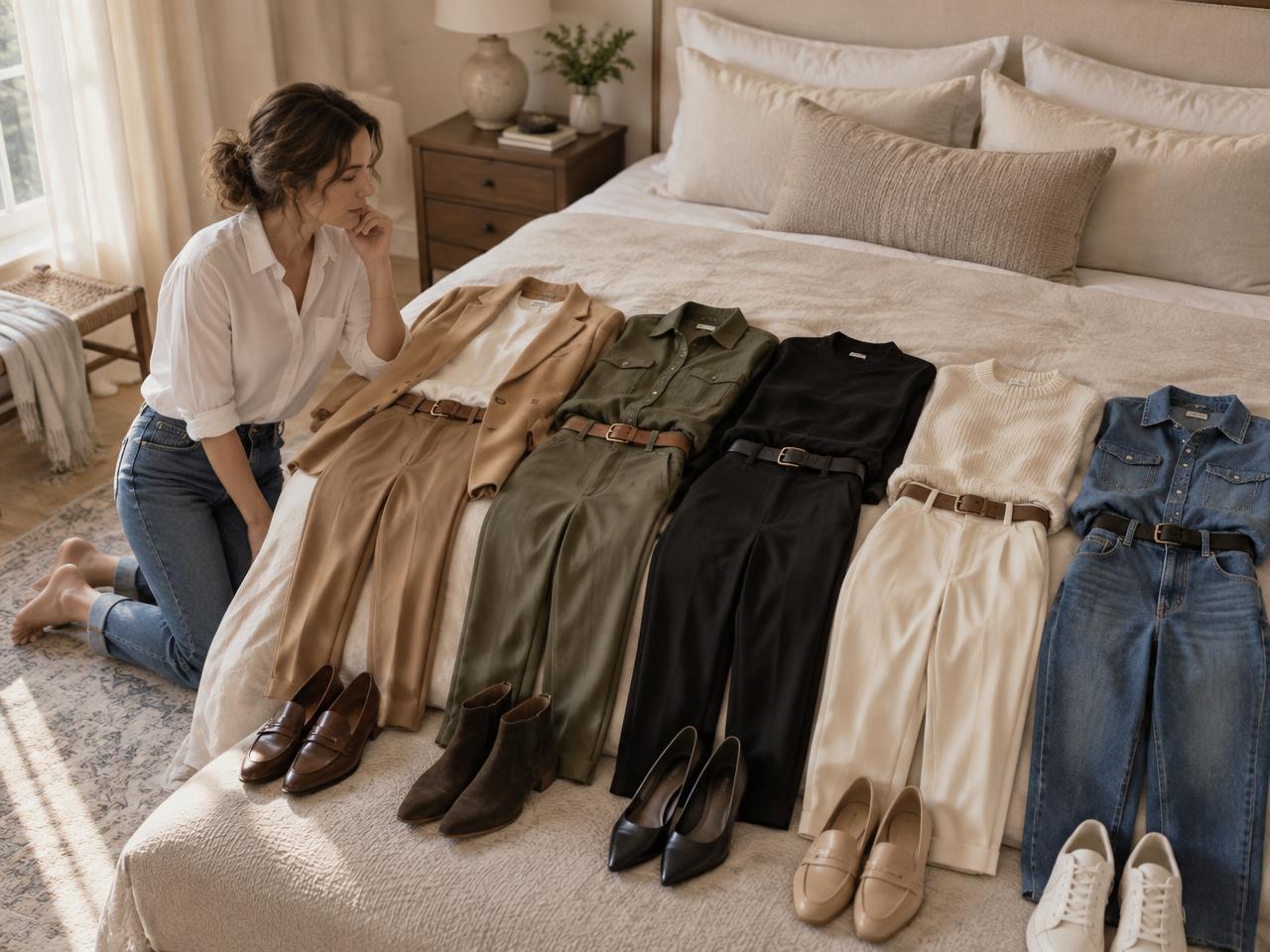
When I first started styling clients, I thought a large part of my job would be helping women find beautiful clothes.
Of course, that's part of it.
But I quickly learned that finding something beautiful is actually the easy part.
The harder question is: Does it belong in this woman's wardrobe?
That's a very different question.
Something can look incredible in a store, on Instagram or on someone else and still be completely wrong for your life.
I've worked with women who had closets overflowing with clothing but relatively few outfits they felt confident wearing.
I've also worked with women with smaller wardrobes who could get dressed easily because the pieces they owned worked together.
The difference wasn't necessarily budget. It was intention.
“A successful wardrobe isn't measured by how much you own. It's measured by how easily you can use what you own.”
Personal style starts with your actual life
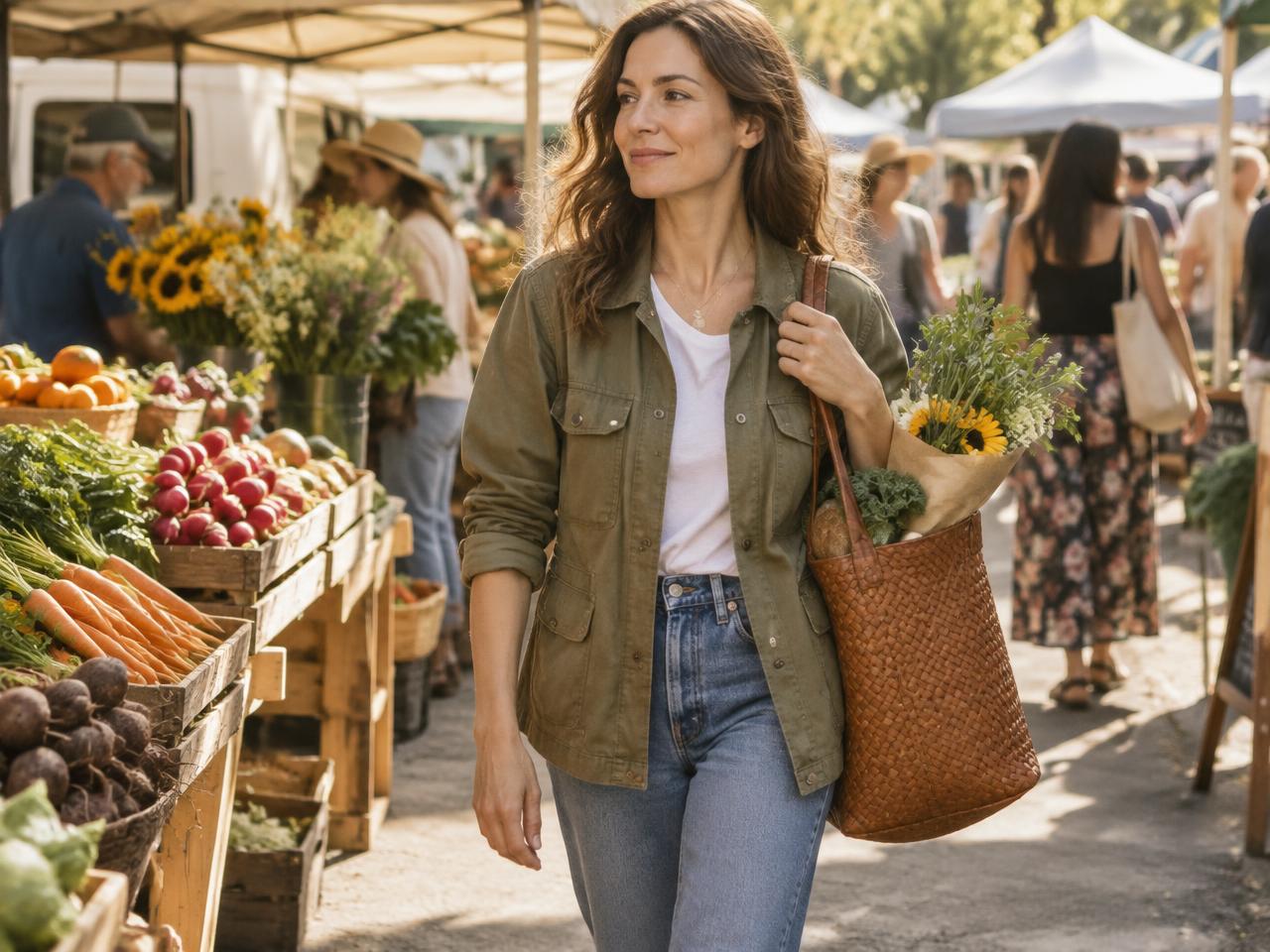
One of the first things I try to understand about a client isn't what designers she likes. It's how she lives.
Where does she go during the week? What does she wear to work? What does she do on weekends? Does she travel frequently? Does she attend a lot of evening events? Does she need to move from a professional environment to dinner without going home to change?
The answers matter because your wardrobe should support your life—not an imaginary version of it.
A woman can love beautiful cocktail dresses, but if 90 percent of her life is spent in more casual settings, ten cocktail dresses aren't going to solve her daily question of what to wear.
“Personal style becomes much easier when we stop dressing for the life we think we're supposed to have and start building a wardrobe for the life we're actually living.”
The best purchase is often the piece that connects everything else
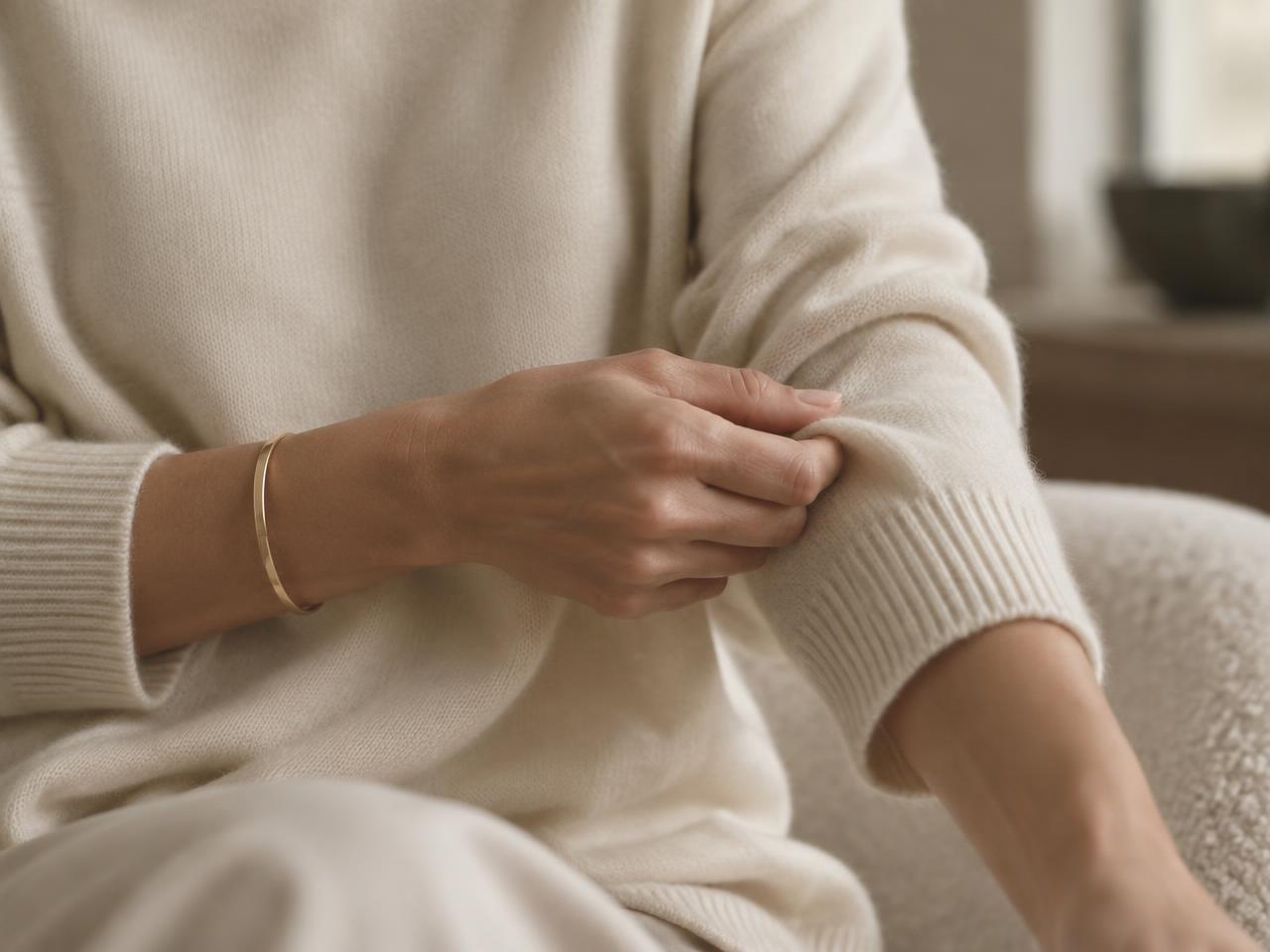
Shopping with clients taught me another lesson.
The most exciting item isn't always the most valuable item.
Sometimes the best thing we can add to a wardrobe is surprisingly simple: the right jacket, shoe, belt, blouse, pair of jeans or layering piece.
Why? Because that one addition can suddenly make five things already hanging in the closet wearable in new ways.
That's how I think about shopping.
“I'm not only asking: "Do I like this?" I'm asking: "What does this unlock?"”
What can you wear it with? Where can you wear it? Can you dress it up? Can you dress it down? Does it solve an existing wardrobe problem? Does it create several new outfits—or just one?
“That's the difference between buying clothes and building a wardrobe.”
Your closet is trying to tell you something
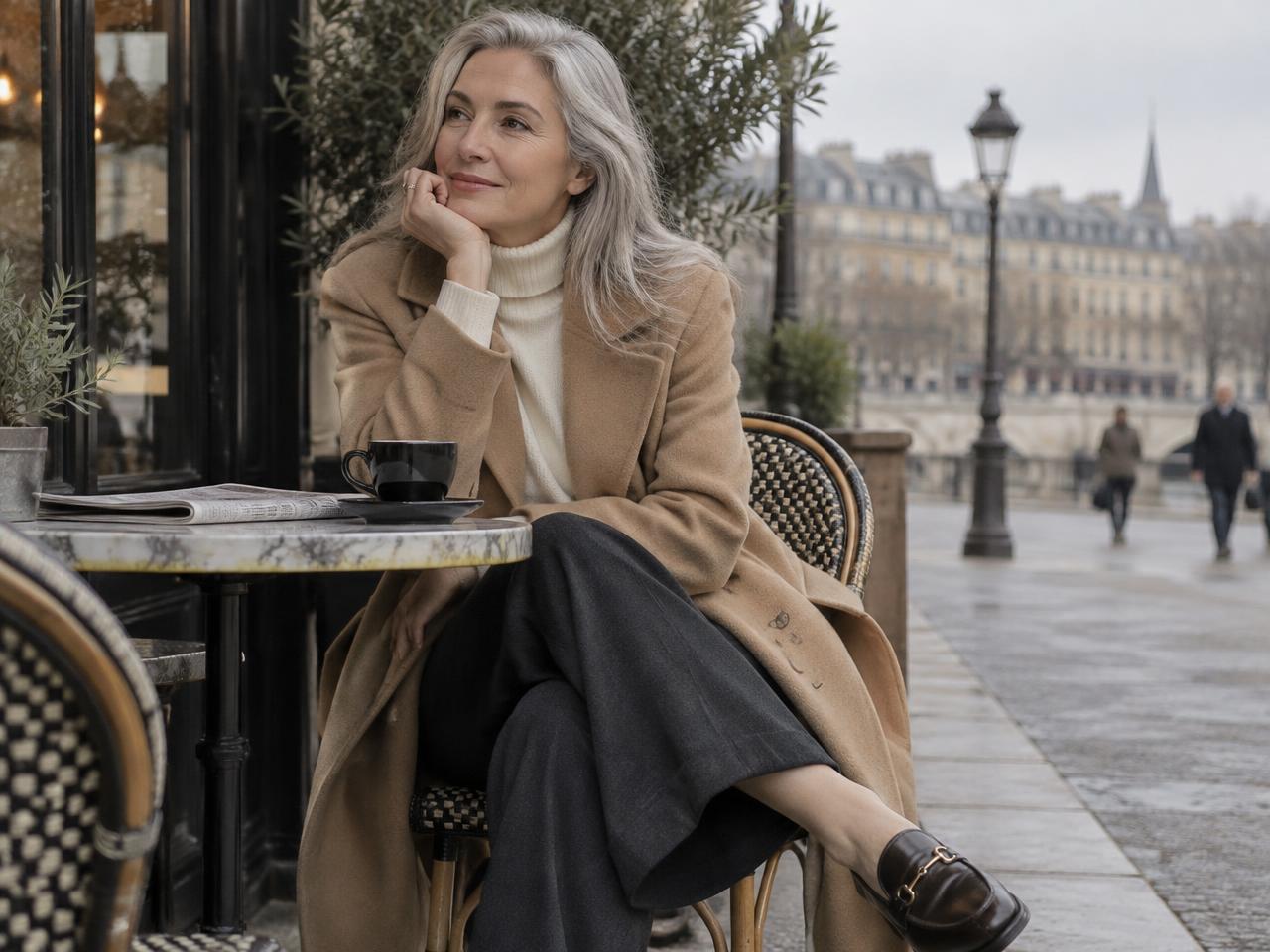
I've learned to pay attention to the pieces women repeatedly wear. They're clues.
If you continually reach for the same style of pants, there's probably a reason. If every blouse you love has a similar neckline, pay attention. If you own five pairs of uncomfortable heels but wear the same flats every week, your actual behavior is telling you more about your personal style than your Pinterest board is.
I don't believe personal style needs to fit neatly into a label. You don't have to decide that you're "classic," "minimalist," "bohemian" or "edgy."
“Your style can simply be a collection of choices that consistently make you feel like yourself.”
And sometimes discovering your personal style isn't about adding something new. It's about noticing what you're already choosing.
The goal isn't for your stylist to dress you forever
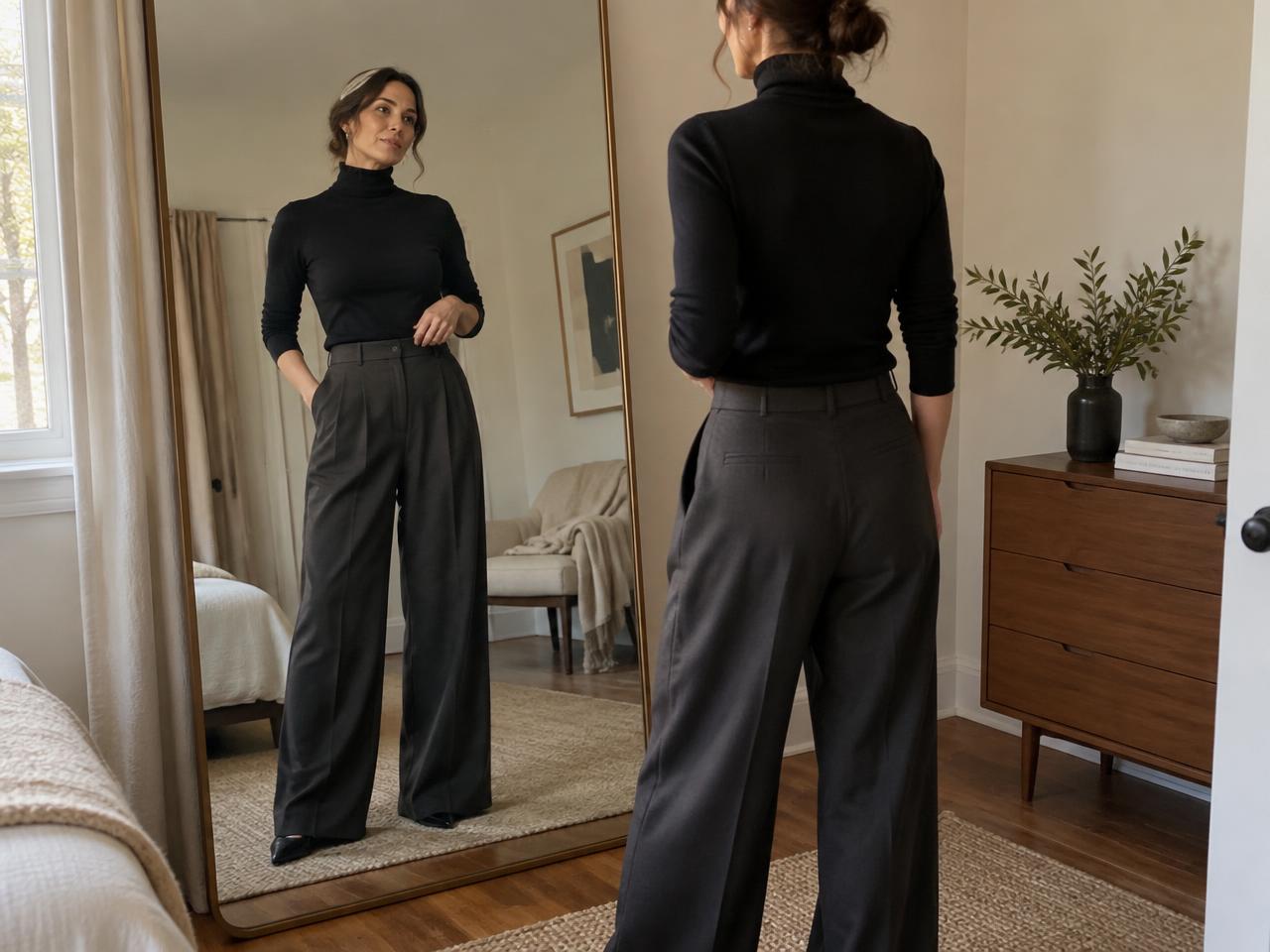
This has always been important to me.
I don't want a client to feel that she needs me every morning to tell her what to wear. I want her to understand why something works.
When I put outfits together, I'm thinking beyond that day's look.
Can we take the same pants and make them appropriate for work, a casual Saturday and dinner? Can the jacket she bought for meetings work with jeans? Can we change the shoes, belt or jewelry and completely change the feeling of an outfit? Can she recreate this combination herself next month?
“Great styling should give someone more than an outfit. It should give her confidence in her own decisions.”
“The goal of personal styling isn't to make someone dependent on a stylist. It's to help her understand her own style.”
Women don't need endless options. They need better decisions.
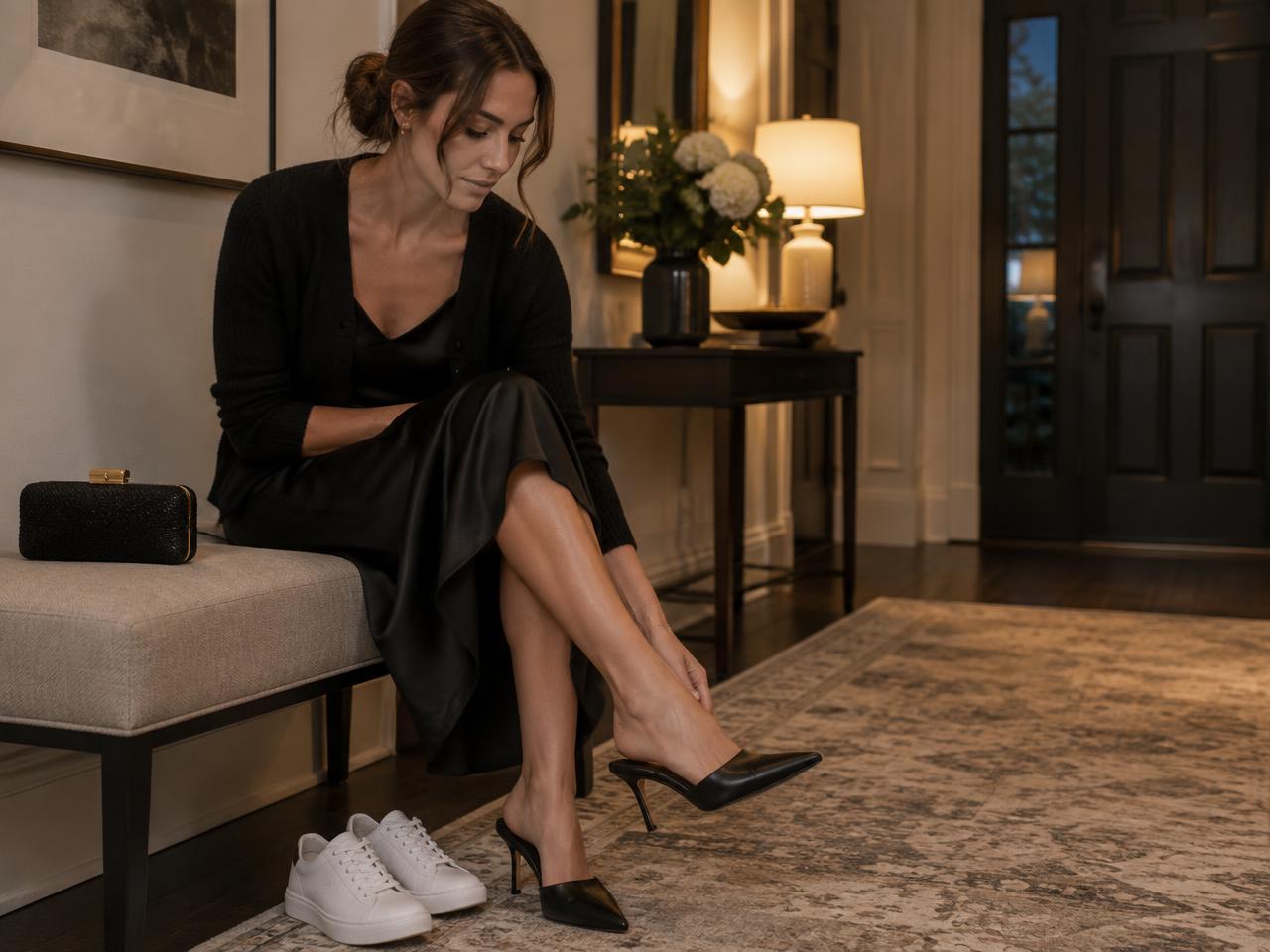
The fashion industry has changed dramatically during my career.
Women now have almost unlimited access to clothing. We can discover something on social media, find it online within seconds and have it delivered to our doorstep.
But I've become increasingly interested in a strange contradiction: Shopping has become easier. Getting dressed hasn't.
In some ways, having more choices has made the process more complicated. We save things in different places. We take screenshots. We leave items in shopping carts. We forget what we already own. We buy something and later realize we don't have the right pieces to wear with it.
And then we stand in front of the closet and ask the same question:
“What should I wear?”
That's the question that eventually started me thinking beyond traditional wardrobe styling.
From personal styling to technology
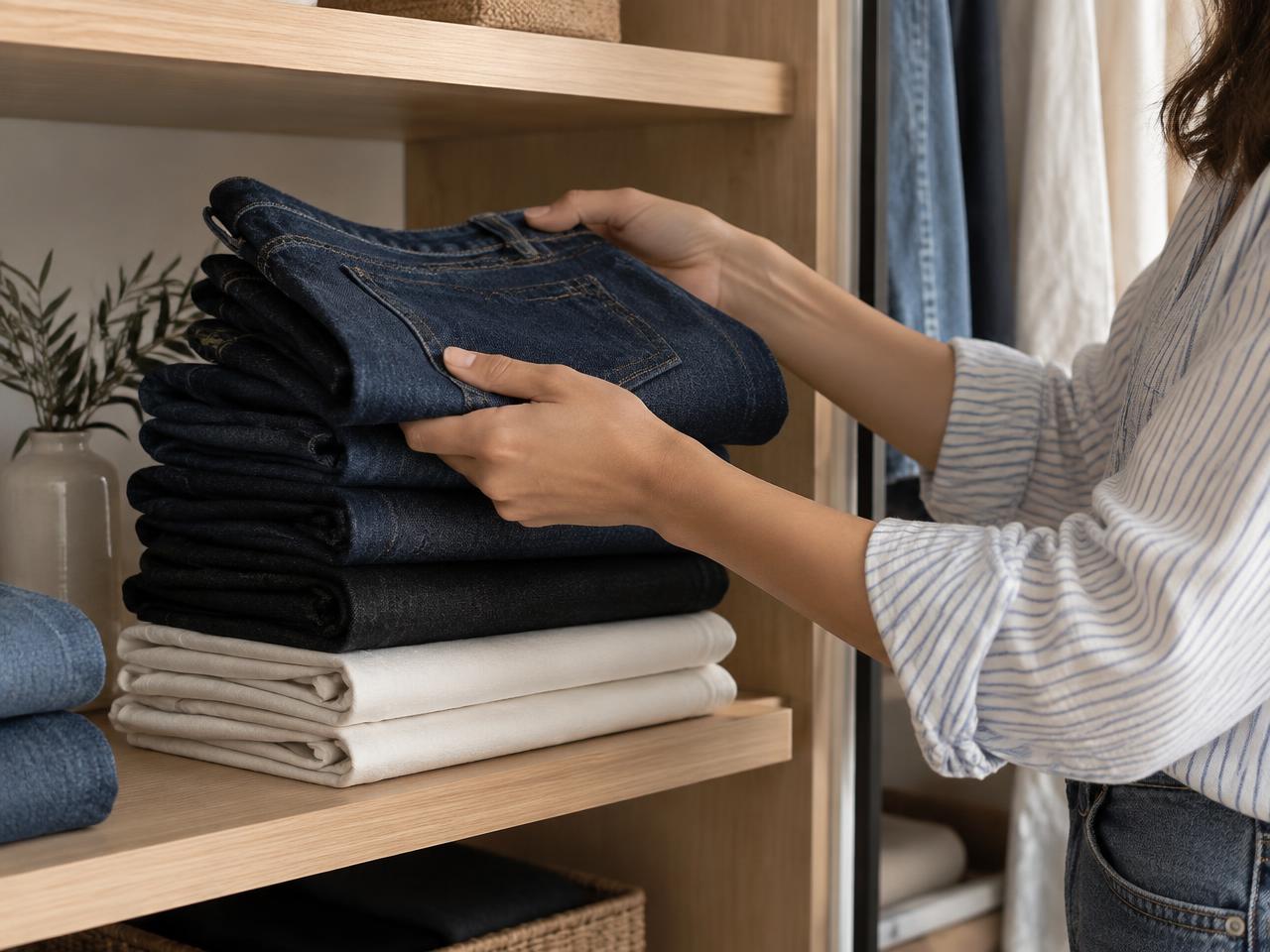
After years of working one-on-one with women, I began wondering whether some of what happens between a stylist and a client could be supported by technology.
A good stylist remembers context. I don't just see a blouse. I'm thinking about the pants already in your closet. The jacket we bought last season. The shoes you actually wear. The event you have next month. The piece you've been considering purchasing. And the gaps that are preventing the rest of your wardrobe from working as well as it could.
I started asking myself:
“What if technology could help women make those connections? What if the experience didn't stop when the stylist left the closet?”
Those questions ultimately became part of the inspiration behind my move into fashion technology and the work I'm doing today as Founder & CEO of Style To Cart.
“I'm approaching technology the same way I've approached styling throughout my career: Start with the woman. Understand the problem. Then find a better way to solve it.”
What I know after 20+ years
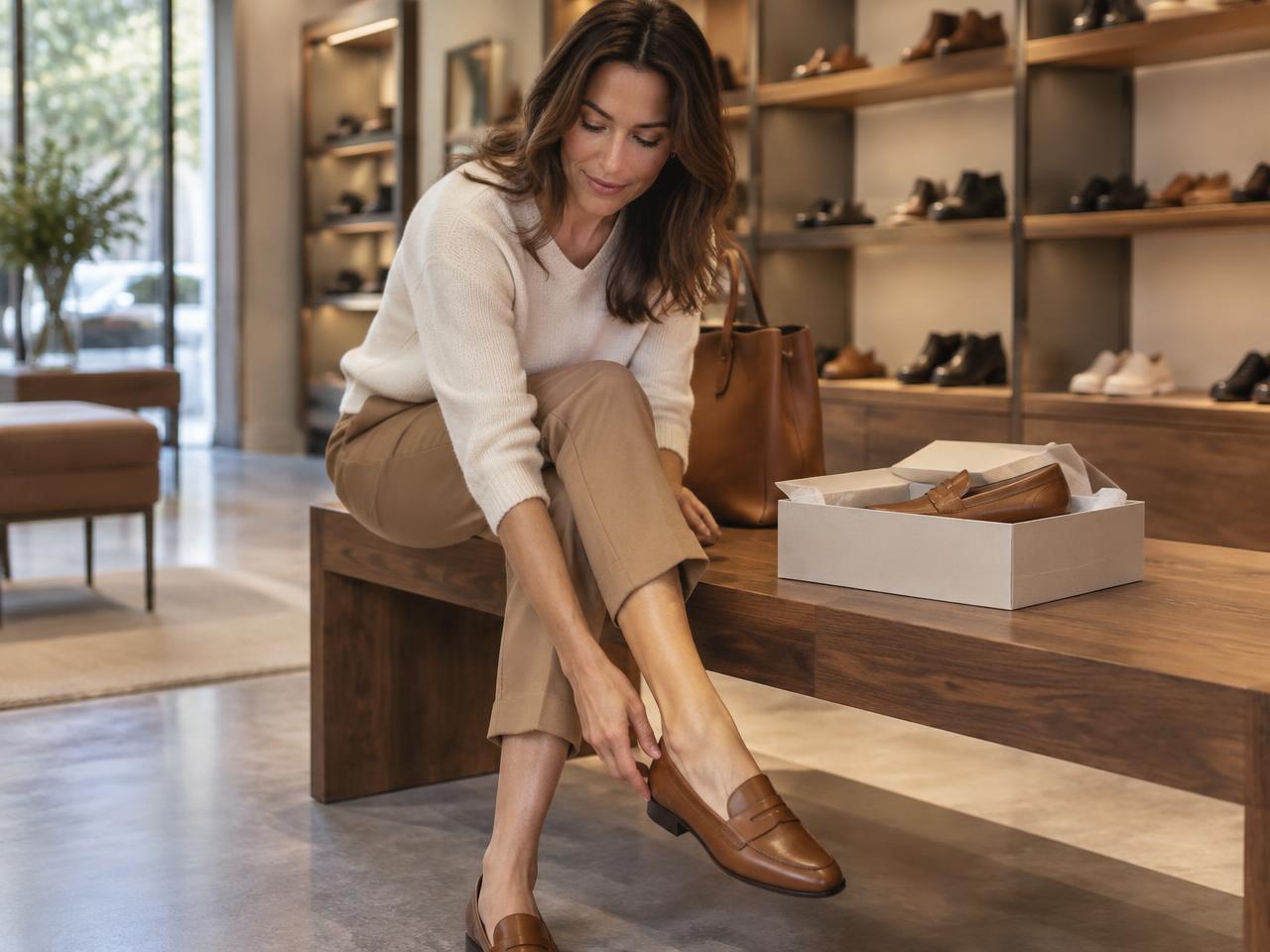
Fashion will keep changing. Hemlines will move. Jeans will get wider and then narrower. Colors will come and go. Technology will change how we discover, buy and perhaps even style our clothes.
But I don't think the fundamental goal changes.
Women want to open their closets and feel like they have something to wear. They want to feel current without feeling like they're trying to be someone they're not. They want to shop without wasting money on things they'll never wear. They want clothes that work for the lives they're actually living. And they want getting dressed to feel easier.
After more than 20 years inside women's closets, that's still what personal style means to me.
“Not more clothes. More possibilities.”
Infographic
Before anything earns closet space, it has to answer four questions honestly.
01
Does it fit the body you have today, without a plan to change first?
02
Does it suit the week you actually live, not the one you imagine?
03
Does it work with at least three pieces you already own?
04
Would you wear it again within the next month?
Anything that fails two of the four is a want, not a wardrobe piece.
Questions I Get Asked
- Start from evidence rather than inspiration. Look at what you already reach for most weeks — the colors, silhouettes and fabrics repeat. That repetition is your style; the rest is noise.
- Far fewer than most closets hold. A wardrobe that produces outfits comes from pieces that combine, which is why I start with the closet you already own before adding anything.
- Fit. Tailoring the pieces you already wear changes more than any purchase, and it costs a fraction of replacing them.
More From Me
- Why your closet feels full but you have nothing to wear
- Five questions to ask before you buy
- About Wendy PilchTwenty-plus years of wardrobe styling, and the path into technology.
Sources & Further Reading
- The State of Fashion reportMcKinsey & Company
- The Business of Fashionbusinessoffashion.com
- Textiles: material-specific dataU.S. EPA

About Wendy
Wendy Pilch is an award-winning wardrobe stylist, fashion expert, entrepreneur and Founder & CEO of Style To Cart. For more than 20 years, she has helped women assess their wardrobes, shop strategically and develop personal style that works for their everyday lives. Her fashion expertise has been featured on ABC, NBC and Fox and in publications including The Washington Post and Modern Luxury. Today, Wendy is bringing her real-world styling experience to fashion technology.