The Trends
What Fashion Technology Still Gets Wrong About Women
And why the future of personal style needs to start with the woman—not the technology.
By Wendy Pilch — September 14, 2026 — 10 min
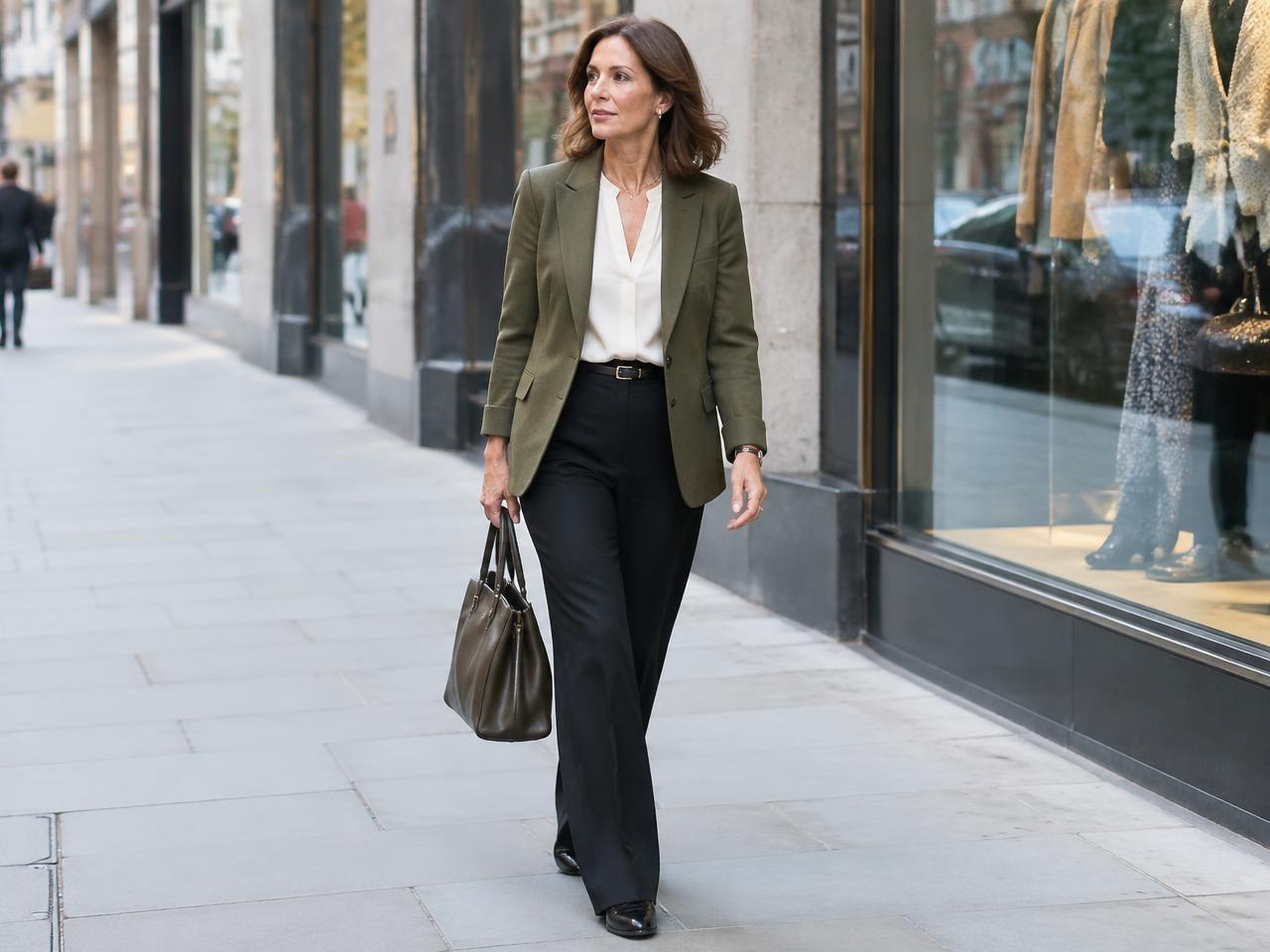
Fashion technology made buying effortless and deciding harder. It still treats women as shoppers to be served more product, when the real problem is helping them decide what belongs in a wardrobe they already own.
Fashion has become incredibly good at helping us find things to buy.
Open Instagram and you'll see an outfit you love.
Click a link and you're at the retailer.
Search for a pair of jeans and you'll have hundreds of options in seconds.
Algorithms can recommend another blouse, another shoe, another handbag and another dress based on something you've already viewed.
And with artificial intelligence moving quickly into fashion, the possibilities are becoming even greater.
But after more than 20 years of working directly with women and their wardrobes, I think we're still overlooking something fundamental.
Women don't necessarily need more help finding clothes.
They need more help deciding what belongs in their wardrobes.
That's a very different technology problem.
Discovery isn't the same as personal style
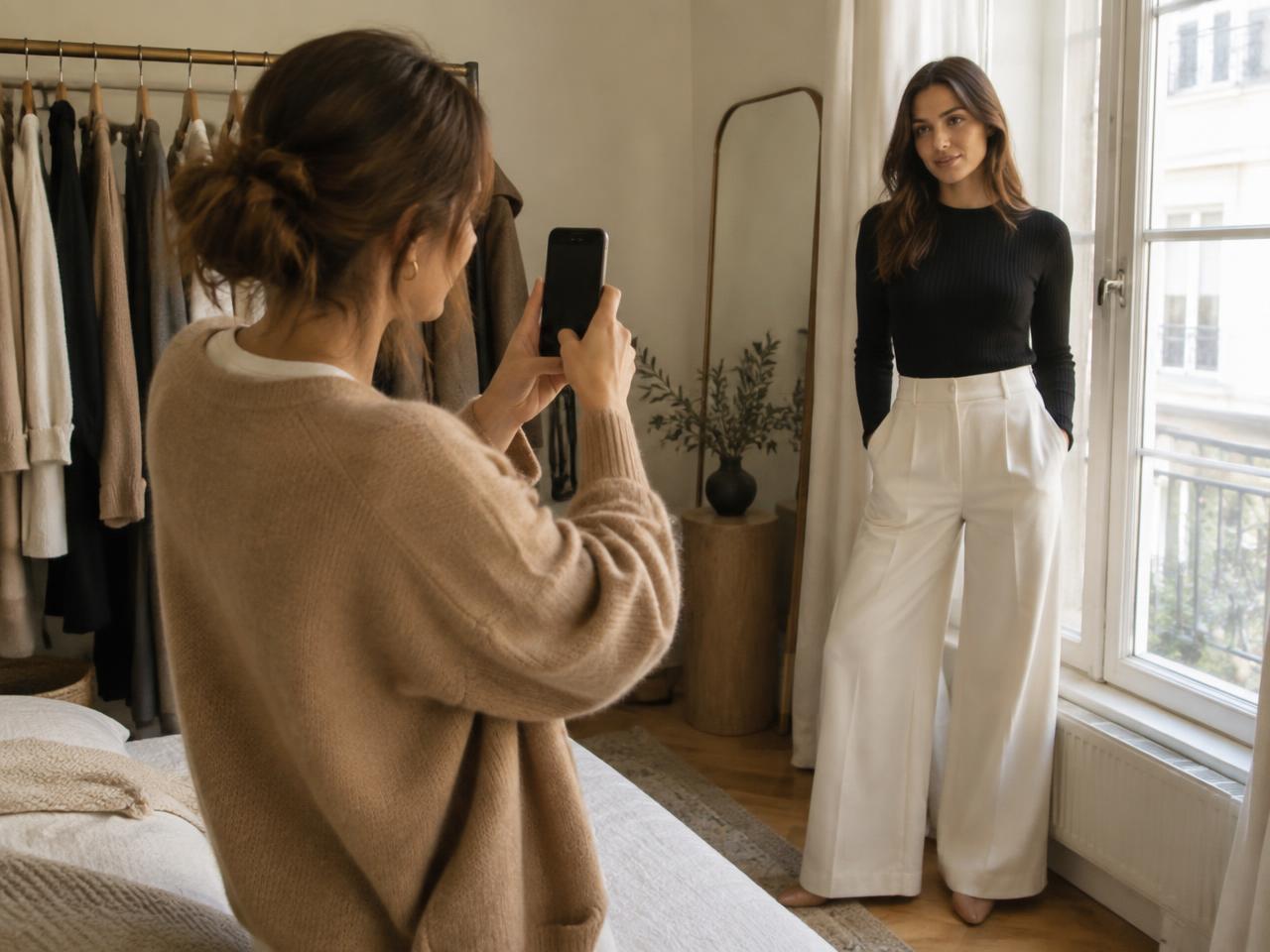
Much of fashion technology has been built around discovery.
What else might you like?
People who bought this also bought that.
Here are 20 more versions of the sweater you just viewed.
These tools can be incredibly useful.
But knowing that I like a black blazer doesn't necessarily mean I need another black blazer.
Knowing that I clicked on a pair of wide-leg jeans doesn't tell you whether I already have three pairs hanging in my closet.
And knowing that a dress matches my browsing history doesn't tell you whether I have anywhere to wear it.
That's the distinction I became increasingly interested in during my years as a stylist.
Preference is only one part of personal style. Context is the other.
A stylist sees more than the item
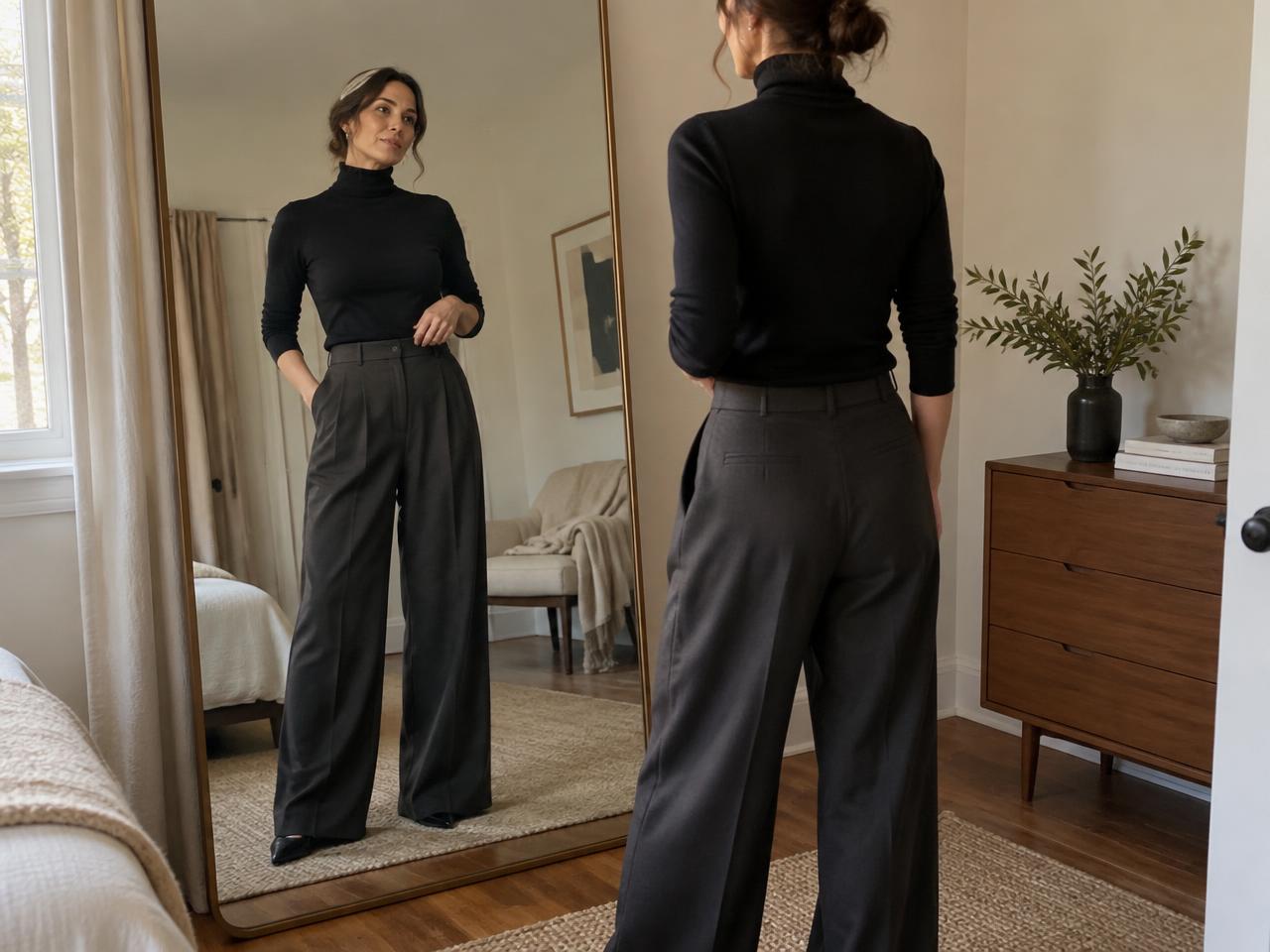
When I'm shopping with a client and she picks up a jacket, I'm not only evaluating the jacket.
I'm thinking about her.
I know what she already owns.
I know what she wears repeatedly.
I know which things are hanging in her closet untouched.
I know whether she needs another jacket or whether what she really needs is the right shoe to make three jackets she already owns more useful.
I know what her work life looks like.
I know how she spends her weekends.
I know whether she'll tolerate a heel.
I may even know that she'll love something in the fitting room and never reach for it once she gets home.
That's context.
And context is what turns a fashion recommendation into a personal recommendation.
“Showing me more things I might like isn't the same as understanding what I actually need.”
I believe that's one of the biggest opportunities in fashion technology.
The closet is still disconnected from the shopping experience
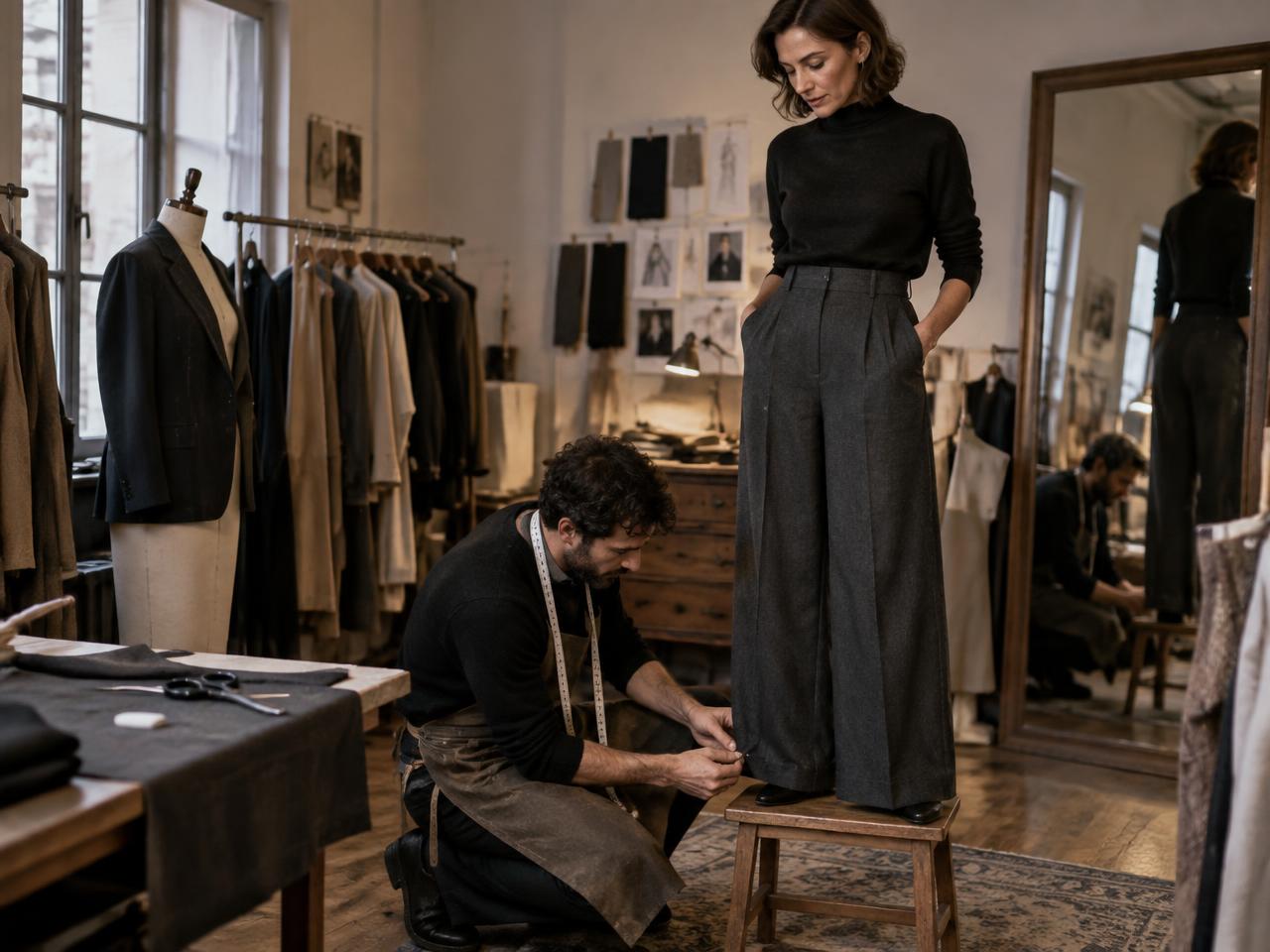
This has fascinated me for years.
Think about how we shop today.
We discover something on social media.
We screenshot it.
We might save it somewhere.
We visit a retailer's website.
Maybe we put it in our cart.
Maybe we wait for it to go on sale.
Maybe we forget about it entirely.
Meanwhile, the clothes we already own are sitting in a closet that has almost no connection to any of those decisions.
Yet the closet contains some of the most important information of all.
Do I already own something like this?
What would I wear it with?
Does it fill a gap?
Will this purchase create new outfits?
Or is it going to become another piece with the tags still attached?
For all of the advances we've made in online shopping, those questions are still surprisingly difficult for technology to answer.
More recommendations can actually create more noise
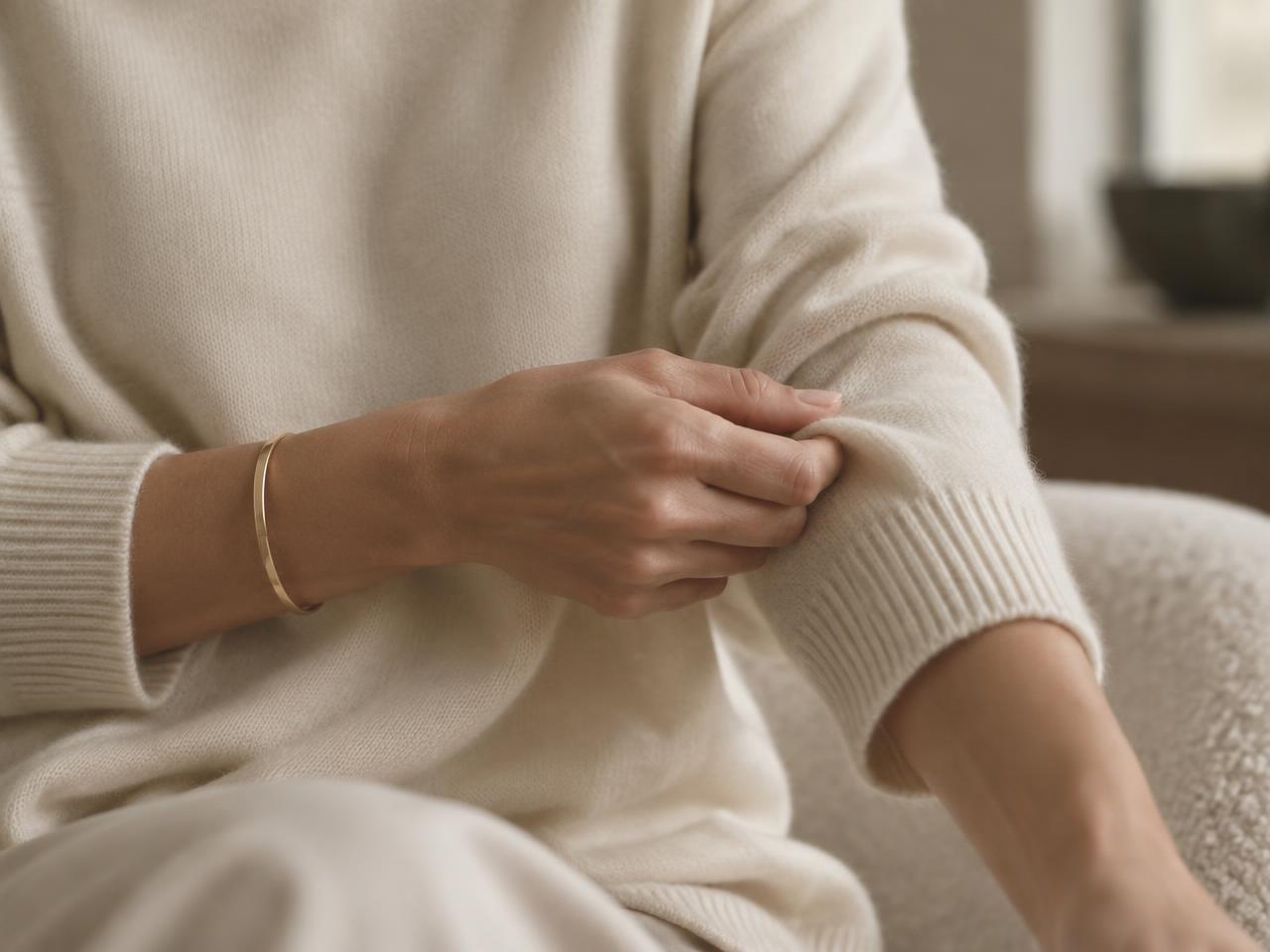
There's a tendency in technology to assume that more personalization means more recommendations.
I'm not sure that's always what women need.
Sometimes the best recommendation is:
“Don't buy anything.”
Sometimes it's:
“You already have something that works.”
Or:
“If you're going to buy one thing, buy this because it makes four things you already own more useful.”
That's how a stylist thinks.
And it's very different from a system whose primary objective is simply to show you another product.
As consumers, we're surrounded by inspiration.
What we're missing is often clarity.
The future of fashion technology shouldn't just help women find more. It should help them make more confident decisions.
Personalization needs to understand real life
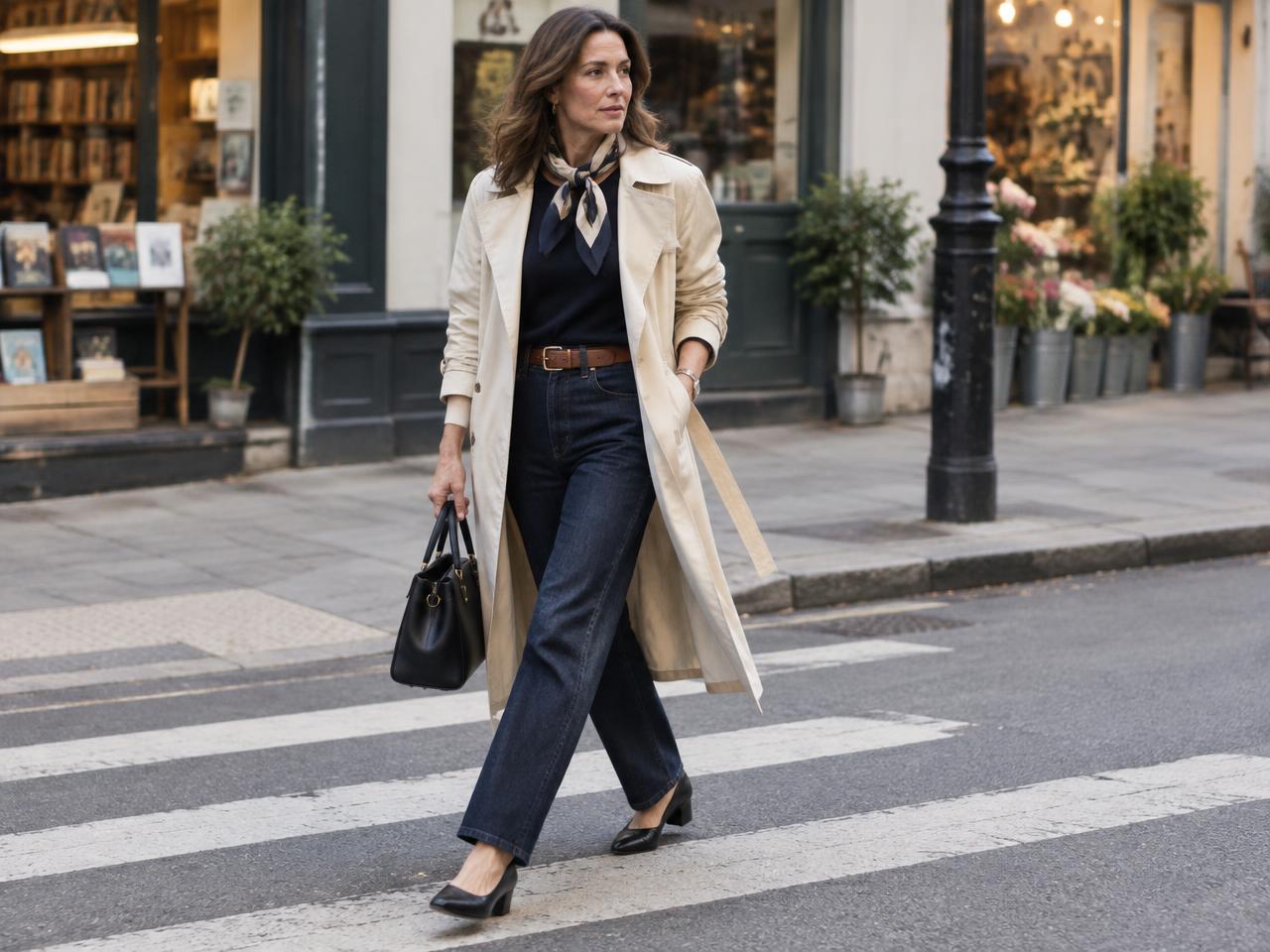
There's another thing I think technology can miss.
Women don't dress for categories.
They dress for lives.
A woman isn't simply "classic" or "trendy."
She might be a lawyer Monday through Friday, a mother at a soccer tournament Saturday morning and at dinner with friends Saturday night.
She might love a trend but only want to incorporate it subtly.
She may need clothes that transition from a meeting to dinner.
She might want to look current without feeling as though she's dressing like her daughter.
She may love a beautiful shoe but know that if it isn't comfortable, it will never leave her closet.
These details matter.
Personal style isn't a static profile created by checking a few boxes.
It's constantly shaped by lifestyle, comfort, work, age, confidence, budget, occasions and personal preference.
Technology that wants to become truly useful for personal style needs to recognize that complexity.
AI has enormous potential—but it needs the right question
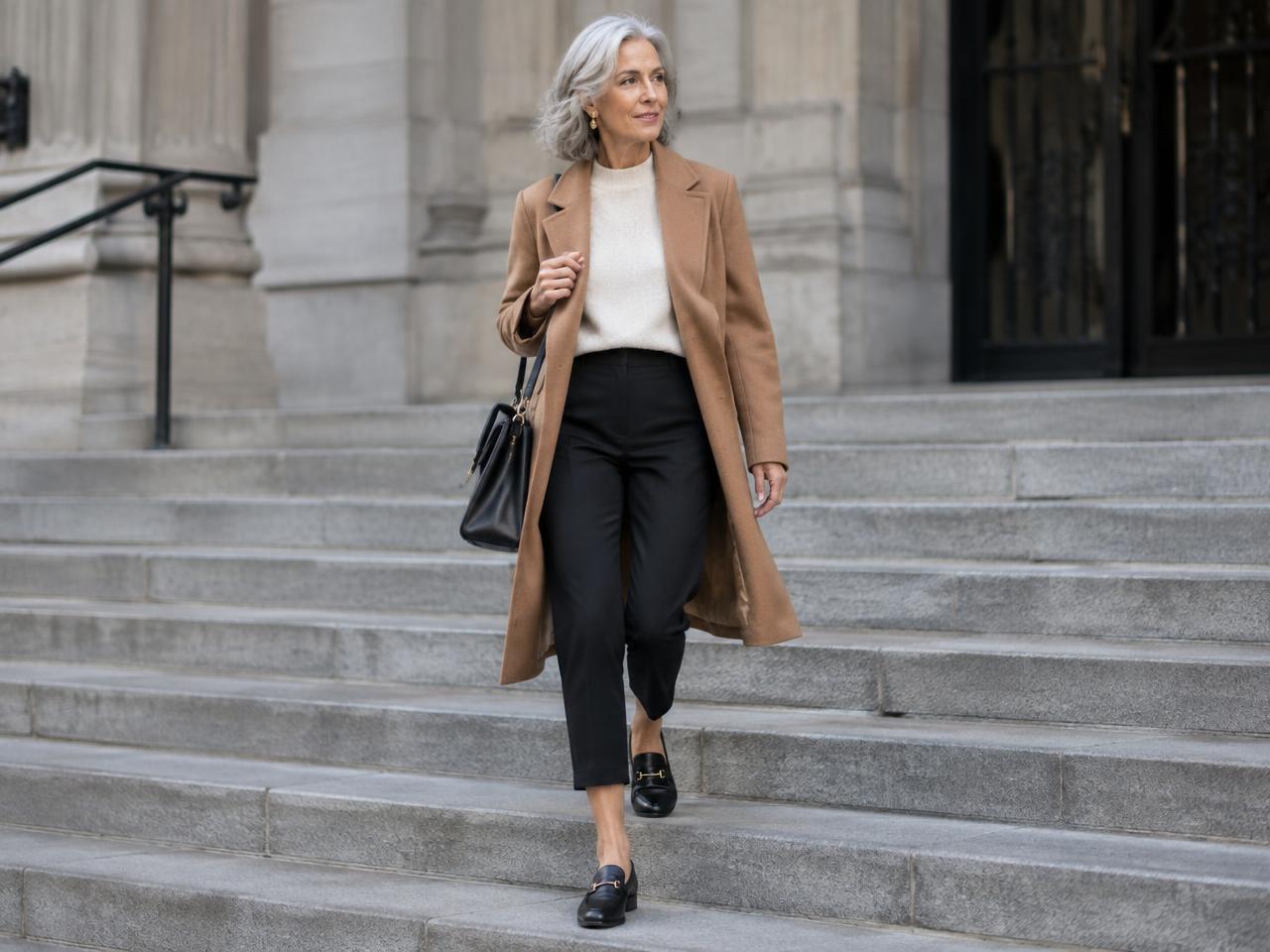
I'm excited about what AI can bring to fashion.
The ability to analyze information, recognize patterns and make connections at scale creates possibilities that didn't exist when I began styling clients.
But I think the question matters.
If we ask:
“How can AI sell a woman more clothes?”
we'll build one kind of product.
If we ask:
“How can AI help a woman make better decisions about the clothes she buys and owns?”
we can build something very different.
That second question interests me much more.
Imagine technology that doesn't just know what you're browsing, but can help you think about how something fits into the larger picture of your wardrobe.
Technology that can help organize what you've discovered.
Remember what you're considering.
Connect a potential purchase to pieces you already have.
Help you see new possibilities.
And perhaps, sometimes, help you realize that you don't need to buy anything at all.
That's when technology starts becoming more than a shopping tool.
It starts becoming useful.
Technology shouldn't replace personal taste
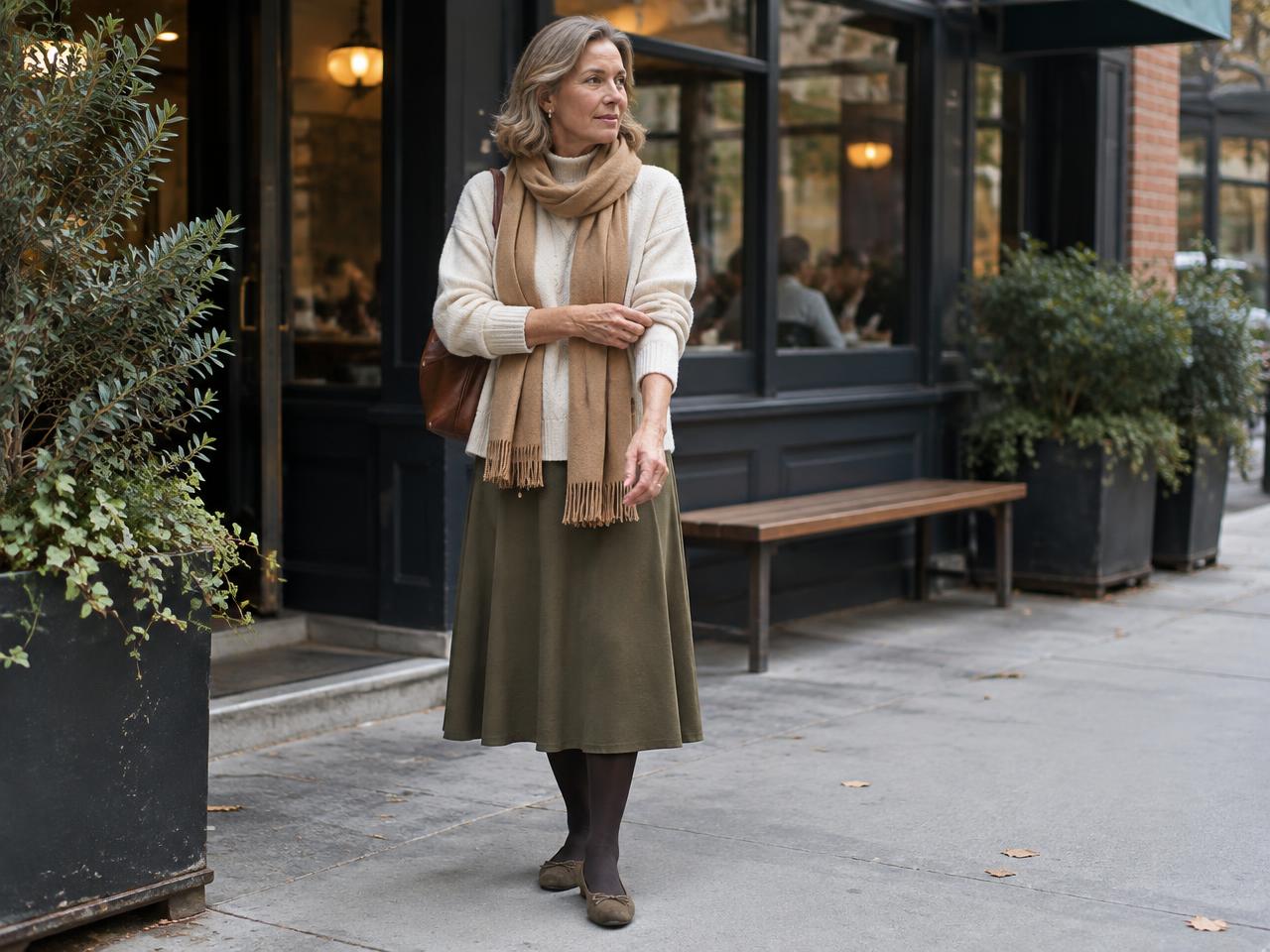
One thing I feel strongly about is that AI shouldn't turn personal style into a formula.
Fashion is emotional.
Sometimes we buy something simply because we love it.
And that's okay.
Not every purchase needs to pass an efficiency test.
Not every outfit needs to be optimized.
And I certainly don't want technology deciding that every woman of a certain age, profession or body type should dress a particular way.
Personal style works precisely because it is personal.
The role of technology should be to support the woman's decisions, not take them away from her.
That's also why I don't see technology as replacing stylists.
A great stylist brings intuition, empathy, creativity and human understanding to the process.
Technology can bring something different: memory, organization, accessibility and the ability to connect information at a scale that a human simply can't.
I think the exciting future is where those ideas meet.
The next generation of fashion technology should start in the closet
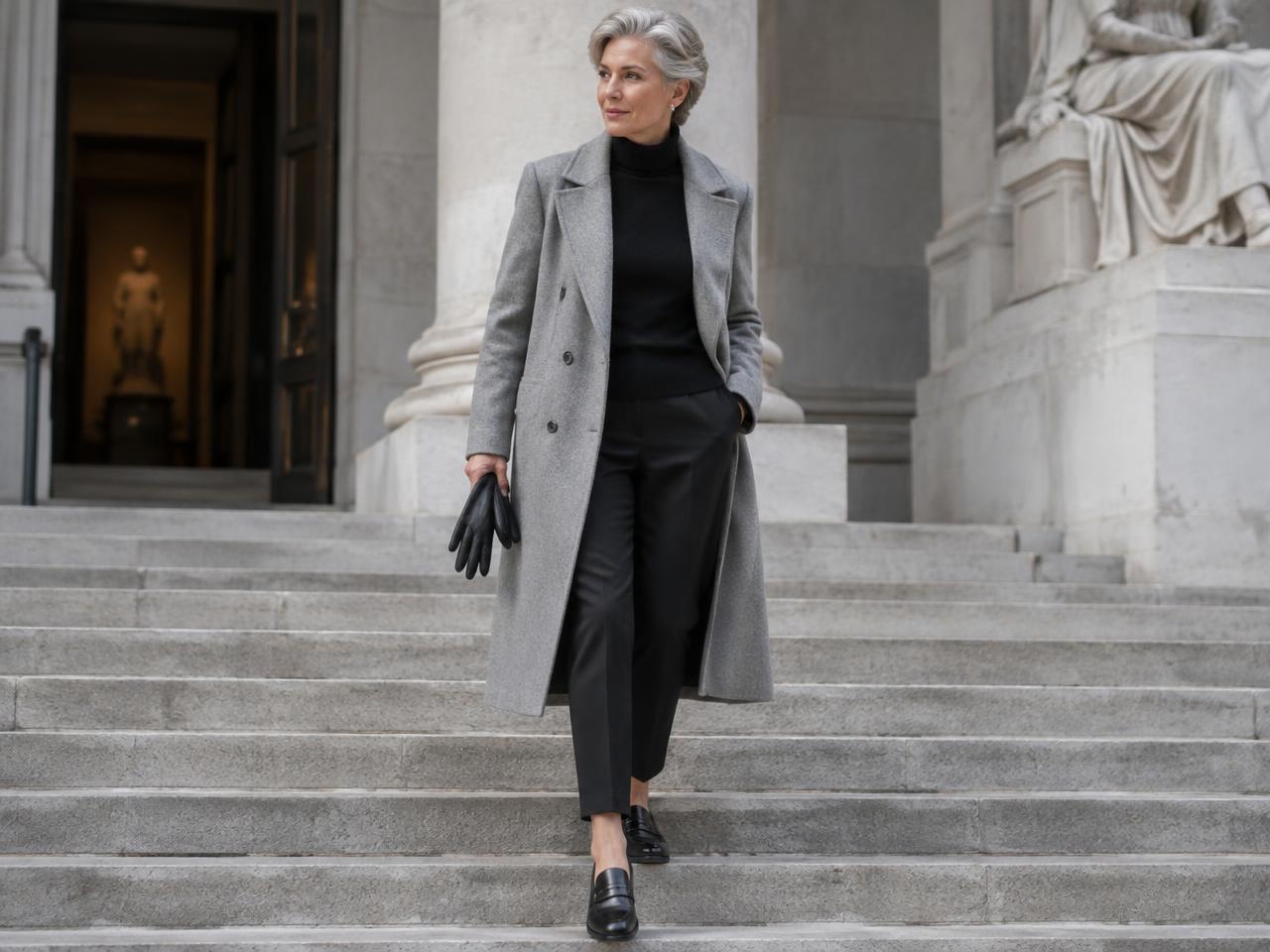
Most fashion technology starts with the store.
My perspective starts somewhere else.
The woman's closet.
Because before we recommend what she should buy next, shouldn't we understand what she already has?
Before we show her another trend, shouldn't we understand how she actually likes to dress?
Before we recommend another pair of jeans, shouldn't we know whether she needs jeans at all?
Those are questions I've been asking as a stylist for more than 20 years.
They're also questions I'm now asking as a software founder.
And they're a big part of the thinking behind Style To Cart.
What we're building toward
I don't believe there's a shortage of places for women to shop.
There are thousands.
The opportunity I see is helping women connect the entire experience.
What I discover.
What I want.
What I'm considering buying.
What I already own.
And ultimately, what I wear.
Those things shouldn't feel like five unrelated activities.
They're all part of one wardrobe.
That's the future of fashion technology that interests me.
Not technology that simply knows what women might click on.
Technology that gets better at understanding why a particular piece makes sense for a particular woman.
Start with the woman
After more than two decades as a stylist and now as a founder working in fashion technology, I've learned that the most useful question is often the simplest one.
What problem are we actually trying to solve?
If the answer is "How do we get women to buy more clothes?" there are already plenty of technologies doing that remarkably well.
I'm interested in a different question:
“How do we help women feel better about the clothes they buy, the clothes they own and the way they get dressed?”
That's a harder problem.
It's also a much more interesting one.
And I believe solving it requires something fashion technology sometimes forgets:
Don't start with the algorithm.
Start with the woman.
Infographic
01
Recommendations ignore what she already owns.
02
Feeds ignore the calendar, the commute and the weather.
03
Returns repeat because nothing learns from them.
04
Popularity is not preference.
Questions I Get Asked
- Understand the wardrobe. Everything useful — outfits, gaps, purchases — follows from that.
- Yes, in development. The founder page has the detail.
More From Me
- Can technology understand personal style?
- What I'm BuildingWhy Style To Cart started inside real closets.
- Media & Press
Sources & Further Reading
- The State of Fashion reportMcKinsey & Company
- The Business of Fashionbusinessoffashion.com
- Textiles: material-specific dataU.S. EPA

About Wendy
Wendy Pilch is an award-winning wardrobe stylist, fashion expert, entrepreneur and Founder & CEO of Style To Cart. For more than 20 years, she has helped women assess their wardrobes, shop strategically and develop personal style that works for their everyday lives. Her fashion expertise has been featured on ABC, NBC and Fox and in publications including The Washington Post and Modern Luxury. Today, Wendy is bringing her real-world styling experience to fashion technology.