The Trends
Can Technology Really Understand Personal Style?
What software can genuinely help with — and where the human element still matters.
By Wendy Pilch — January 22, 2026 — 7 min
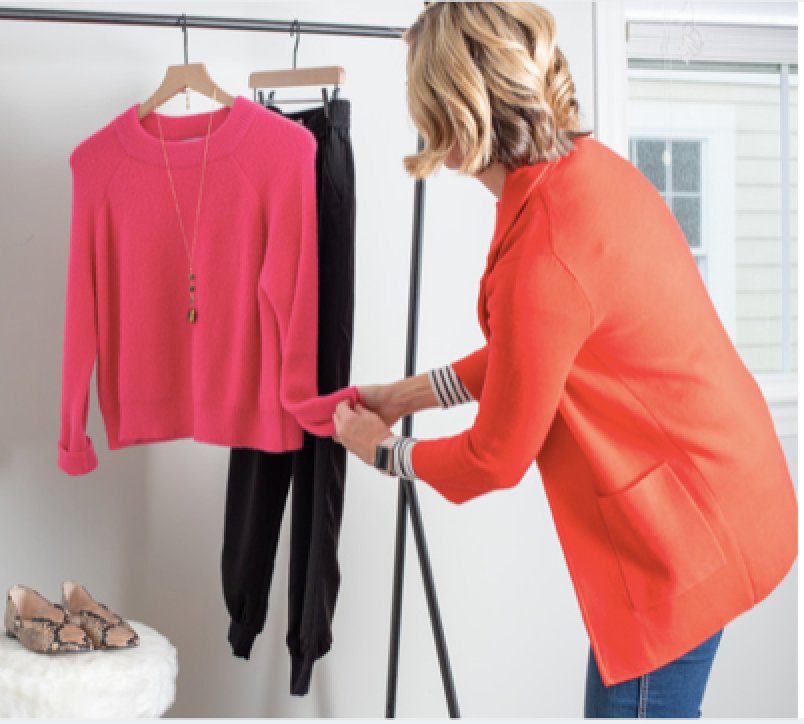
Technology can learn a great deal about personal style — but only if it starts from the wardrobe a woman already owns and the life she actually lives. Recommendation engines trained on catalogs predict what sells. Understanding style means predicting what will be worn.
It's the question I get from both sides of my working life. Stylists ask it skeptically. Technologists ask it optimistically. Can software actually understand personal style?
My honest answer, after more than 20 years of doing this by hand: partly. And the parts matter enormously.
What technology is genuinely good at

Memory, for one. I keep a client's wardrobe in my head and in my notes; software can hold every piece a woman owns, what she paid, how often she's worn it and what it goes with — permanently, and without being asked twice.
It's also good at combinations. Given a known wardrobe, generating the outfits that already exist inside it is exactly the kind of work a machine should be doing instead of a woman at 7 a.m.
And it's good at gaps. When you can see a whole wardrobe at once, the missing connector pieces become obvious. That's a pattern problem, and patterns are what software finds.
“Technology can remember, combine and organize. Those three things alone would change most women's mornings.”
Where it still falls short
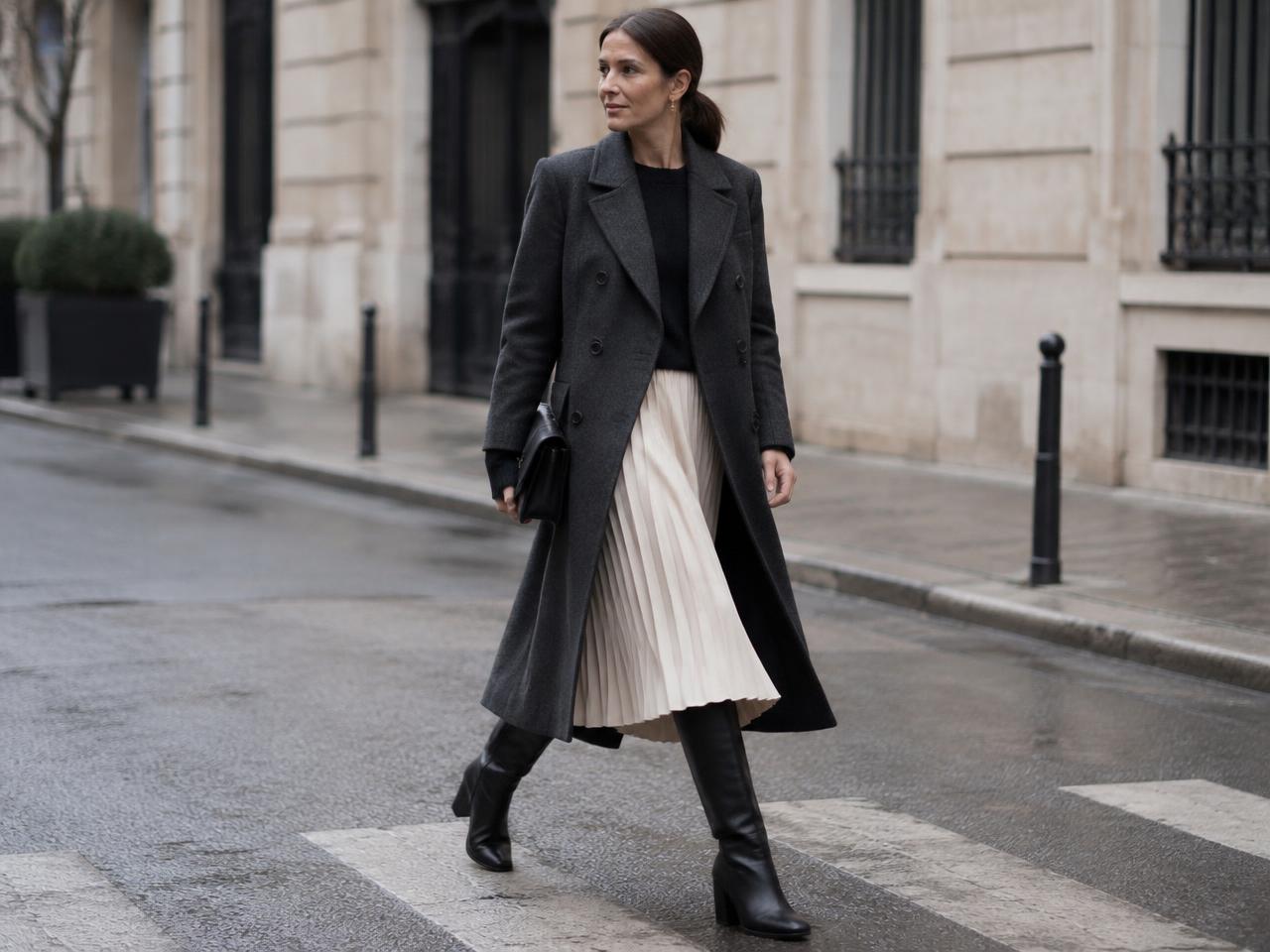
Context. A woman doesn't dress for a category, she dresses for a Tuesday with three meetings, a school pickup and dinner she can't be late for. Almost no fashion technology knows anything about that day.
Feeling, too. There is a difference between a garment that fits and a garment a woman feels like herself in, and only she can tell you which is which.
And judgment. Knowing when to tell a client the truth about a piece she loves is not a recommendation problem. It's a relationship.
The useful division of labor

So I don't think of software as a stylist replacement. I think of it as the part of styling that shouldn't require a human: the remembering, the sorting, the combining, the noticing of what's missing.
Leave that to the technology, and what's left is the part women actually want a person for — taste, encouragement and honesty.
That division is the assumption I'm building Style To Cart on. Start with what the woman is actually trying to decide, and let the software carry everything around it.
Infographic
01
What she owns, in detail — not what she browsed.
02
The week she is dressing for, including the weather.
03
Fit history: what works, what gets returned and why.
04
What she rejects, which is more revealing than what she buys.
Questions I Get Asked
- Not the judgment. It can carry the memory, the inventory and the math, which is most of what slows a woman down.
- Because they optimize for what sells, not what fits an existing wardrobe. That gap is the subject of this article.
More From Me
- What fashion technology still gets wrong about women
- What I'm BuildingWhy Style To Cart started inside real closets.
- The EditAll articles.
Sources & Further Reading
- The State of Fashion reportMcKinsey & Company
- The Business of Fashionbusinessoffashion.com
- American fashion industry resourcesCFDA

About Wendy
Wendy Pilch is an award-winning wardrobe stylist, entrepreneur and Founder & CEO of Style To Cart. After more than 20 years of helping women build wardrobes and define their personal style, Wendy is bringing that experience to fashion technology.